
What Is 4 Gauge Wire in mm? 4 AWG Diameter, mm², Ampacity & Conversion Chart

Introduction
If you are asking what is 4 gauge wire in mm, the quick answer is: 4 gauge wire, also called 4 AWG wire, has a bare conductor diameter of approximately 5.19 mm and a cross-sectional area of about 21.15 mm².
However, cable sizing is not only about diameter. In real electrical projects, you also need to understand mm², ampacity, conductor material, insulation type, voltage drop, and application requirements. This is especially important for battery cables, inverter cables, solar cable systems, automotive wiring, marine wiring, and power distribution projects.
Many buyers also ask whether 4 AWG is the same as 25 mm² cable. The answer is no. 4 AWG is about 21.15 mm², while 25 mm² cable is larger. In commercial metric sizing, 25 mm² is often used as the nearest larger metric equivalent, but it is not an exact replacement unless the project specification allows it.
In this guide, FRCABLE explains 4 gauge wire size in mm, 4 AWG diameter, mm² conversion, ampacity, copper vs aluminum differences, common applications, and how to choose the right cable for your project.

Quick Answer: What Is 4 Gauge Wire in mm?
4 gauge wire is approximately 5.19 mm in bare conductor diameter and about 21.15 mm² in cross-sectional area. In the American Wire Gauge system, 4 gauge wire is usually written as 4 AWG, #4 wire, or No. 4 wire.
Specification | 4 Gauge / 4 AWG Wire |
AWG size | 4 AWG |
Common name | 4 gauge wire / #4 wire |
Bare conductor diameter | Approx. 5.19 mm |
Diameter in inches | Approx. 0.2043 inch |
Cross-sectional area | Approx. 21.15 mm² |
Common metric comparison | 25 mm² cable |
Common materials | Copper, tinned copper, aluminum |
Typical applications | Battery cable, inverter cable, solar cable, power cable |
The key point is that mm and mm² are different measurements. Millimeters measure conductor diameter, while square millimeters measure the conductor’s cross-sectional area.
For cable performance, mm² is usually more important than diameter because it directly relates to current capacity, resistance, voltage drop, and heat generation.
Featured-Snippet Answer
4 gauge wire, or 4 AWG wire, is about 5.19 mm in bare conductor diameter and approximately 21.15 mm² in cross-sectional area. It is often compared with 25 mm² cable in metric sizing, but 4 AWG and 25 mm² are not exactly the same.
Why Users Search for 4 Gauge Wire in mm
Many users search this topic because AWG is common in the United States, while metric cable sizes are common in many international markets.
This creates confusion when buyers compare:
US electrical wire sizes
International cable datasheets
Imported electrical equipment
Battery cable specifications
Solar cable requirements
Automotive or marine wiring guides
Metric cable alternatives
For FRCABLE customers, this conversion is especially useful when comparing AWG cable sizes with metric cable options for custom cable manufacturing or international procurement.
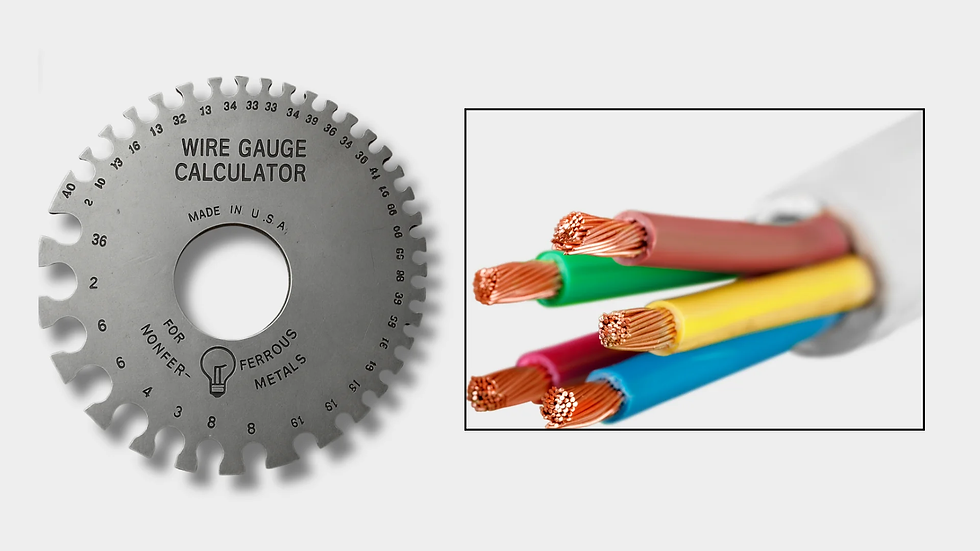
4 AWG Diameter in mm, Inches and mm²
To understand 4 AWG wire correctly, you need to separate three different values: diameter, cross-sectional area, and outside diameter.
These are often confused, but they are not the same.
4 AWG Diameter in mm
The standard bare conductor diameter of 4 AWG wire is approximately 5.19 mm.
This value refers to the metal conductor itself, not the insulated cable. If the cable has insulation or a protective jacket, the total outside diameter will be larger.
For example, a 4 AWG battery cable with thick flexible insulation may have a much larger outside diameter than a bare 4 AWG copper conductor.
4 Gauge Wire Diameter in Inches
For US users, 4 gauge wire is also commonly expressed in inches.
The approximate diameter is:
4 AWG diameter = 0.2043 inch
This inch value is useful when checking terminals, lugs, crimping tools, conduit fill, or cable routing space.
4 AWG Wire Size in mm²
The cross-sectional area of 4 AWG wire is approximately 21.15 mm².
This is the value most useful for comparing 4 AWG with metric cable sizes. In metric markets, cable sizes are usually named by cross-sectional area, such as 16 mm², 25 mm², 35 mm², and 50 mm².
Because 21.15 mm² is not a common standard metric size, buyers often compare 4 AWG with 25 mm² cable.
Bare Conductor Diameter vs Cable Outside Diameter
One of the most common mistakes is assuming that 5.19 mm is the total cable diameter.
It is not.
The final outside diameter depends on:
Insulation thickness
Insulation material
Cable voltage rating
Solid or stranded conductor construction
Jacket or sheath design
Number of cores
Flexibility class
Cable standard
For example, 4 AWG welding cable, 4 AWG battery cable, 4 AWG solar cable, and 4 AWG THHN wire may all have different outside diameters even if the conductor size is the same.
That is why buyers should always request the manufacturer’s datasheet before ordering cable in bulk.

Is 4 AWG the Same as 25 mm² Cable?
No. 4 AWG is not exactly the same as 25 mm² cable. 4 AWG has a cross-sectional area of about 21.15 mm², while 25 mm² cable is larger.
However, in commercial cable selection, 25 mm² is often used as the nearest common metric equivalent because it is the next larger standard metric size.
4 AWG vs 25 mm² Cable
Comparison Item | 4 AWG Wire | 25 mm² Cable |
Measurement system | American Wire Gauge | Metric system |
Cross-sectional area | Approx. 21.15 mm² | 25 mm² |
Which is larger? | Smaller | Larger |
Common market | United States | IEC / metric markets |
Replacement relationship | Not exact | Often nearest larger metric option |
Buyer note | Follow AWG specs if required | Use when metric sizing is specified |
This difference matters because cable size affects ampacity, voltage drop, resistance, and terminal compatibility.
When 25 mm² May Be a Better Choice
25 mm² cable may be a better option when:
The project uses IEC or metric cable specifications
The buyer wants a standard metric size
Lower voltage drop is needed
The cable run is long
The application has higher current demand
A larger safety margin is preferred
The equipment terminals can accept 25 mm² cable
Because 25 mm² is larger than 4 AWG, it may offer lower resistance and better electrical performance under comparable conditions.
When You Should Stay With 4 AWG
You should stay with 4 AWG when:
The equipment manual requires 4 AWG
The project follows US AWG specifications
The terminals are designed for #4 wire
The installation must meet AWG-based code requirements
The purchasing document clearly specifies 4 AWG
The cable must match an existing AWG system
For regulated electrical installations, do not replace 4 AWG with 25 mm² cable unless the engineer, inspector, equipment manufacturer, or local code allows it.
4 Gauge Wire Ampacity: How Many Amps Can It Carry?
Many users who search for 4 gauge wire in mm also want to know the 4 gauge wire ampacity. Ampacity means the maximum current a conductor can carry under specified conditions without exceeding its temperature rating.
The important point is that 4 AWG wire does not have one universal amp rating.
Its current capacity depends on:
Copper or aluminum conductor
Insulation temperature rating
Ambient temperature
Installation method
Number of current-carrying conductors
Terminal temperature rating
Cable type
Local electrical code
Voltage drop requirements
Common 4 AWG Copper and Aluminum Ampacity
Under common electrical table references, 4 AWG copper and aluminum conductors may have different ampacity values depending on the temperature column.
Conductor Material | 60°C Column | 75°C Column | 90°C Column |
4 AWG Copper | Approx. 70A | Approx. 85A | Approx. 95A |
4 AWG Aluminum | Approx. 55A | Approx. 65A | Approx. 75A |
These values are common reference points, but they are not a substitute for project-specific electrical design.
The final allowable ampacity must follow the applicable electrical code, conductor insulation, terminal rating, and installation conditions.
Why Ampacity Values Can Vary
A 4 AWG cable used as battery cable may be rated differently from a 4 AWG building wire because the cable construction, insulation, application, and installation environment may differ.
For example, ampacity can vary between:
THHN / THWN-2 wire in conduit
Flexible battery cable
Welding cable
Marine cable
Solar cable
Automotive power cable
Aluminum service wire
Multi-core power cable
This is why online ampacity charts can show different numbers. They may be based on different assumptions.

Copper vs Aluminum 4 AWG Wire
Copper has higher conductivity than aluminum. That means a 4 AWG copper conductor can usually carry more current than a 4 AWG aluminum conductor under comparable conditions.
Choose copper when:
Higher conductivity is required
Space is limited
Voltage drop must be reduced
The cable needs better flexibility
The system requires copper conductors
Terminals are designed for copper only
Choose aluminum when:
Lower material cost is important
Weight reduction is valuable
The installation is designed for aluminum
Terminals and lugs are aluminum-compatible
The project allows larger conductor sizing
Never replace copper with aluminum at the same AWG size without recalculating ampacity and voltage drop.
Common Applications of 4 AWG Wire
4 AWG wire is widely used in electrical systems that require a larger conductor than smaller sizes such as 6 AWG, 8 AWG, or 10 AWG.
It is common in DC power systems, automotive applications, battery banks, solar systems, marine wiring, and power distribution.
4 AWG Battery Cable
4 AWG battery cable is commonly used in battery connections, RV electrical systems, automotive power wiring, marine battery banks, and low-voltage DC systems.
Battery cable selection should consider:
Continuous current
Surge current
Cable length
Voltage drop
Flexibility
Lug size
Insulation temperature
Crimp quality
In 12V systems, voltage drop is especially important. Even if the cable can handle the current safely, it may still be too small for a long cable run.
4 AWG Wire for Inverter Connection
4 AWG wire may be used for some inverter connections, depending on inverter power, DC voltage, cable length, and current draw.
A 12V inverter draws much more current than a 24V or 48V inverter at the same wattage. For example, a 1000W inverter at 12V draws significantly more current than a 1000W inverter at 48V.
This means inverter cable sizing must be based on current, not only wattage.
4 AWG Solar Cable
4 AWG solar cable may be used in larger photovoltaic systems, combiner box connections, battery-based solar systems, or inverter wiring where the current and voltage drop justify a larger conductor.
For solar applications, cable selection should consider:
PV system voltage
DC current
Cable length
UV resistance
Outdoor durability
Temperature rating
Insulation material
Connector compatibility
Voltage drop target
A solar cable must be designed for long-term outdoor exposure. Standard indoor cable may not be suitable for PV environments.
4 AWG Automotive and Marine Cable
4 AWG cable is often used for automotive amplifiers, winches, alternator connections, marine batteries, and auxiliary power systems.
For automotive and marine environments, flexibility and corrosion resistance are important. Tinned copper conductors may be preferred in marine or humid environments because they offer improved corrosion resistance compared with bare copper.
4 AWG Wire Voltage Drop: Why Distance Matters
Cable size is not only about ampacity. In low-voltage systems, voltage drop can be the deciding factor.
Voltage drop happens because every conductor has electrical resistance. The longer the cable run and the higher the current, the greater the voltage drop.
Why Voltage Drop Is Important
Excessive voltage drop can cause:
Reduced equipment performance
Lower inverter efficiency
Battery charging problems
Motor starting issues
Heat buildup
Energy loss
Unstable DC system operation
This is especially important in 12V, 24V, and 48V systems because a small voltage loss can represent a large percentage of total system voltage.
4 AWG Wire Voltage Drop in DC Systems
In a 12V system, a long cable run may require a larger cable than ampacity alone suggests. For example, a cable that is safe from overheating may still create too much voltage drop over a long distance.
When sizing cable for DC power, always check:
Current draw
One-way cable distance
Round-trip circuit length
System voltage
Acceptable voltage drop percentage
Conductor material
Temperature and installation conditions
For high-current DC applications, 4 AWG may be suitable for short or moderate runs, but larger cable may be needed for longer distances.
How to Choose the Right 4 AWG Cable
Choosing the right 4 AWG cable requires more than converting 4 gauge wire to mm. A reliable cable decision should consider electrical performance, environment, safety, and compatibility.
Step-by-Step Cable Selection Process
Confirm the required current
Identify the continuous current, peak current, and safety margin.
Check the system voltage
Low-voltage systems usually require more attention to voltage drop.
Measure the cable run
Longer runs increase resistance and may require a larger conductor.
Choose conductor material
Copper offers better conductivity; aluminum can reduce cost and weight.
Select the correct insulation type
Consider heat, oil, moisture, UV exposure, flame resistance, and flexibility.
Check terminal compatibility
Make sure lugs, terminals, connectors, and breakers accept 4 AWG or the chosen metric equivalent.
Verify ampacity and derating
Apply code requirements, temperature correction, and conductor grouping factors.
Review voltage drop
Especially for battery, inverter, solar, automotive, and marine applications.
Request the manufacturer datasheet
Confirm conductor structure, outside diameter, insulation thickness, voltage rating, and standards.
Confirm compliance requirements
Check whether the project needs UL, IEC, RoHS, TÜV, or other certifications.
Common Mistakes to Avoid
Avoid these common cable selection mistakes:
Confusing conductor diameter with cable outside diameter
Assuming 4 AWG is exactly the same as 25 mm²
Choosing cable based only on ampacity
Ignoring voltage drop in DC systems
Using aluminum ampacity when the project requires copper
Replacing copper with aluminum without resizing
Ignoring terminal temperature rating
Using indoor cable for outdoor solar applications
Buying cable without checking the datasheet
Selecting cable only by price per foot or price per meter
A good cable choice balances current rating, voltage drop, insulation quality, flexibility, compliance, and long-term reliability.
Buying Guide for 4 AWG Cable Buyers
For distributors, contractors, OEMs, and system integrators, 4 AWG cable selection should be based on a clear technical specification.
Do not simply send a supplier the phrase “4 gauge wire” and expect every cable to be the same.
Specifications to Confirm Before Ordering
Before purchasing 4 AWG cable, confirm:
AWG size: 4 AWG / #4 wire
Metric comparison: approximately 21.15 mm²
Conductor material: copper, tinned copper, or aluminum
Conductor construction: solid or stranded
Strand count and flexibility class
Insulation material
Cable outside diameter
Voltage rating
Temperature rating
Ampacity reference
Application: battery, inverter, solar, automotive, marine, or power cable
Certification requirements
Printing or marking requirements
Packaging method
MOQ and lead time
These details help prevent mistakes in bulk cable purchasing.
What Affects 4 Gauge Wire Price?
4 gauge wire price can vary significantly depending on the material and construction.
Main price factors include:
Copper or aluminum price
Tinned or bare conductor
Strand count
Insulation material
Voltage rating
Temperature rating
Certification
Order quantity
Packaging
Shipping cost
Custom requirements
For B2B buyers, the cheapest cable is not always the best cable. Low-quality insulation, inaccurate conductor size, or poor flexibility can create installation problems and long-term failure risk.
Why Work With FRCABLE
FRCABLE supports customers who need 4 AWG cable, metric cable alternatives, and custom cable solutions for electrical, solar, battery, inverter, automotive, and power applications.
FRCABLE can help buyers compare AWG and metric sizes, choose conductor material, review cable construction, and request cable datasheets for project evaluation.
Whether you need standard 4 AWG cable or a custom 25 mm² cable solution, a professional supplier can help reduce specification mistakes before production.
FAQ About 4 Gauge Wire in mm
What is 4 gauge wire in mm?
4 gauge wire, also called 4 AWG wire, is approximately 5.19 mm in bare conductor diameter. This does not include insulation or jacket thickness.
What is 4 AWG wire in mm²?
4 AWG wire has a cross-sectional area of approximately 21.15 mm². This value is useful when comparing AWG wire with metric cable sizes.
How many mm is 4 gauge wire?
4 gauge wire is about 5.19 mm in bare conductor diameter.
Is 4 AWG the same as 25 mm² cable?
No. 4 AWG is about 21.15 mm², while 25 mm² cable is larger. However, 25 mm² is often used as the nearest common metric equivalent.
What is the diameter of 4 AWG wire?
The bare conductor diameter of 4 AWG wire is approximately 5.19 mm, or about 0.2043 inch.
How many amps can 4 gauge wire carry?
The ampacity of 4 gauge wire depends on conductor material, insulation rating, terminal rating, installation method, and local electrical code. As a common reference, 4 AWG copper may be listed around 70A to 95A depending on the temperature column, while 4 AWG aluminum may be lower.
What is 4 AWG copper wire ampacity?
4 AWG copper wire ampacity depends on the temperature rating and installation conditions. Common table values may show approximately 70A at 60°C, 85A at 75°C, and 95A at 90°C, but the final ampacity must be verified for the actual installation.
What is 4 AWG aluminum wire ampacity?
4 AWG aluminum wire has lower ampacity than 4 AWG copper. Common table values may show approximately 55A at 60°C, 65A at 75°C, and 75A at 90°C, depending on installation conditions and code requirements.
Is 4 AWG wire good for battery cable?
Yes, 4 AWG wire can be suitable for many battery cable applications, especially where current and cable length require a larger conductor. However, final sizing should consider current, voltage, distance, voltage drop, flexibility, and lug compatibility.
Can 4 AWG wire be used for solar systems?
4 AWG wire can be used in some solar power systems, especially for larger DC runs, battery connections, inverter wiring, or combiner box applications. The cable should be rated for the installation environment, including UV exposure and temperature.
What is the difference between 4 AWG and 6 AWG?
4 AWG is larger than 6 AWG. It has more conductor area, lower resistance, and generally higher current-carrying capacity under comparable conditions.
What is the difference between 4 AWG and 2 AWG?
2 AWG is larger than 4 AWG. It is typically used when higher current capacity or lower voltage drop is required.
Is 4 AWG wire stranded or solid?
4 AWG wire can be either solid or stranded, depending on the application. Battery cable, welding cable, automotive cable, and marine cable are usually stranded for flexibility.
What is 4 AWG stranded wire diameter in mm?
The conductor area remains approximately 21.15 mm², but the physical bundle diameter of stranded 4 AWG wire can vary depending on strand count and compaction. Always check the manufacturer datasheet.
Where can I buy 4 AWG cable?
You can buy 4 AWG cable from professional cable manufacturers and suppliers. FRCABLE provides 4 AWG cable and custom cable solutions for battery, inverter, solar, automotive, marine, and power applications.
Conclusion
Understanding 4 gauge wire in mm is useful for anyone comparing US AWG wire sizes with metric cable specifications. The most important values are simple: 4 gauge wire is approximately 5.19 mm in bare conductor diameter and about 21.15 mm² in cross-sectional area.
However, cable selection should not stop at conversion. You also need to consider ampacity, conductor material, insulation type, voltage drop, terminal compatibility, installation environment, and applicable electrical standards.
4 AWG is often compared with 25 mm² cable, but the two are not exactly the same. 25 mm² is larger and may be used as a nearest metric equivalent in some projects, but substitutions should always be checked against the project specification.
For battery systems, inverter connections, solar power systems, automotive wiring, marine applications, and power distribution, choosing the right cable size improves safety, efficiency, and long-term reliability.
CTA Closing
Need help choosing the right 4 AWG cable or metric equivalent?
FRCABLE provides professional cable manufacturing and customization support for battery cable, solar cable, inverter cable, automotive cable, marine cable, and power cable applications. Whether you need 4 AWG wire, 25 mm² cable, copper cable, aluminum cable, or a custom specification, our team can help you compare conductor size, ampacity, insulation type, voltage rating, voltage drop, and application requirements.
Contact FRCABLE today to request a cable datasheet, quotation, or professional cable selection support for your next project.


Comments