
Best H1Z2Z2-K Cable Suppliers for 1500V DC Solar Projects

Selecting the right H1Z2Z2-K cable supplier is an important part of procuring electrical components for utility-scale and commercial photovoltaic (PV) projects. As 1500V DC system designs become common in large solar installations, EPC contractors, project developers, and distributors need cables that meet the required technical specifications and can withstand long-term outdoor operating conditions.
However, choosing a supplier involves more than comparing quotations. Buyers must evaluate product certification, conductor quality, insulation performance, manufacturing consistency, delivery capacity, and technical support. A cable that looks similar on paper may not have the same certification scope or be suitable for the same installation conditions.
This guide explains what to look for in H1Z2Z2-K cable suppliers, how to evaluate cables for 1500V DC solar projects, and why working directly with an experienced manufacturer such as FRCABLE may be worth considering.

What Is H1Z2Z2-K Cable for 1500V DC Solar Projects?
H1Z2Z2-K is a designation used for a type of flexible photovoltaic cable associated with the EN 50618 standard. These cables are designed for specified PV applications and are commonly used to connect solar modules and other components within photovoltaic systems.
The designation identifies a particular cable type, but it does not replace the need to check the product datasheet, rated voltage, conductor size, construction, certification, and intended application.
For procurement teams, the key question is not simply whether a supplier offers H1Z2Z2-K cable. It is whether the exact product meets the project's electrical, environmental, installation, and regulatory requirements.

Understanding EN 50618 Solar Cable
EN 50618 specifies requirements for electric cables used in photovoltaic systems. Relevant product characteristics include conductor construction, insulation and sheath properties where applicable, electrical performance, and resistance to environmental stresses specified by the standard.
When purchasing H1Z2Z2-K cable, buyers should verify that the supplier's documentation identifies the applicable standard and covers the exact product being quoted.
Important documents may include:
Product datasheets with conductor sizes and electrical ratings.
Applicable product certificates and their scope.
Test reports supporting relevant performance claims.
Manufacturer identification and product model details.
Quality-control and batch traceability records.
A general company quality certificate does not necessarily establish that a specific cable model is certified to EN 50618. Buyers should verify product-specific evidence before approving a supplier.
Why 1500V DC Systems Require Careful Cable Selection
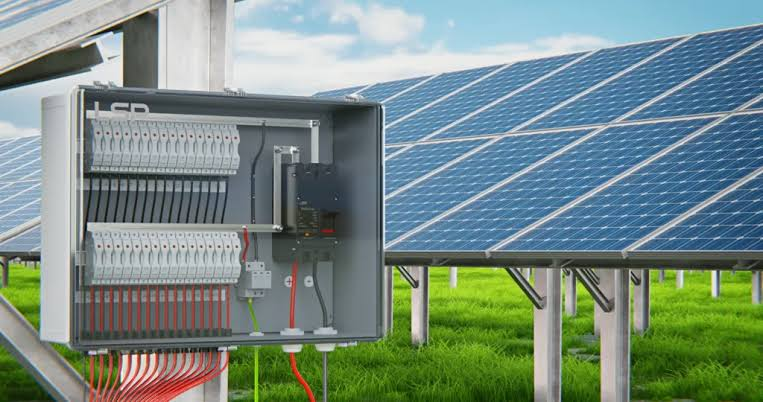
A 1500V DC photovoltaic system is designed around a higher maximum system voltage than a conventional 1000V DC architecture. Under suitable engineering conditions, higher system voltage can reduce the number of strings required for a given array configuration and help lower some balance-of-system costs.
However, the benefits depend on system design, inverter configuration, environmental conditions, and applicable electrical requirements.
Solar cables used in these systems must be suitable for the maximum design voltage and expected operating environment. Procurement teams should distinguish between a system's nominal voltage, its maximum design voltage, and the cable's rated voltage.
The exact cable specification must be checked against the manufacturer's documentation and the project's applicable standards. A cable should not be approved for a 1500V DC application based only on its product name.
Common Applications of H1Z2Z2-K Cable
Depending on the exact product rating and installation requirements, H1Z2Z2-K cable may be used in applications such as:
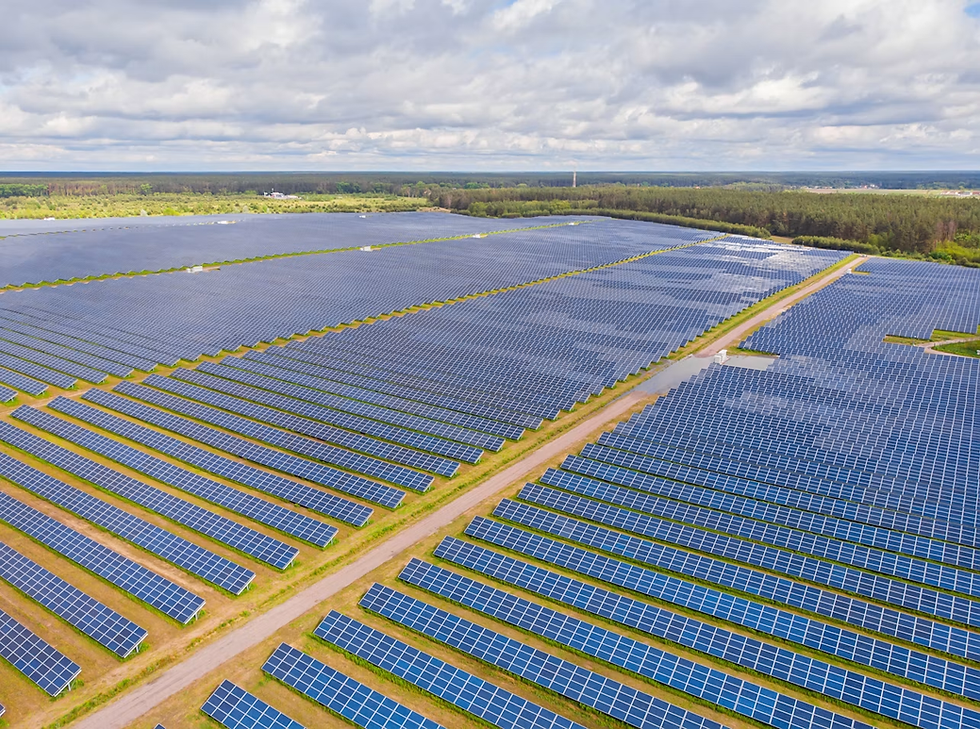
Utility-scale solar farms: Connections between PV modules and string circuits.
Commercial and industrial rooftop PV systems: DC wiring exposed to outdoor temperature changes and sunlight.
PV string connections: Wiring between modules and other components within the PV array.
Solar equipment integration: Cable assemblies and wiring systems designed for compatible PV components.
The final application must comply with the cable manufacturer's stated limitations and applicable installation rules.
What Makes a Reliable H1Z2Z2-K Cable Supplier?
A reliable supplier should provide more than a product catalogue and a competitive price. The supplier should be able to demonstrate that the cable meets the required specification and can be manufactured and delivered consistently.
1. Verified EN 50618 Compliance
Product compliance should be one of the first checks during supplier evaluation.
Ask the supplier to provide documentation identifying the cable model, manufacturer, conductor sizes, rated voltage, and applicable certification scope. Confirm that the documents correspond to the product being purchased.
A useful verification process includes:
Request the current product datasheet.
Obtain the applicable certificate and supporting test documentation.
Confirm that the model and manufacturer match the quotation.
Check whether the certificate covers the requested conductor sizes and construction.
Verify any additional approvals required in the destination market.
This process helps prevent buyers from relying on broad marketing statements that do not establish compliance for the actual product.
2. Consistent Conductor and Insulation Quality
The conductor and insulation directly influence cable performance.
For conductor quality, buyers should review the specified conductor material, nominal cross-sectional area, construction, and relevant dimensional or electrical requirements.
For insulation and sheath materials, where applicable, buyers should consider the manufacturer's documented performance against the relevant electrical, mechanical, thermal, and environmental requirements.
Quality-control records may cover conductor dimensions, insulation thickness, electrical resistance, and other tests required by the product specification.
For long-term solar installations, consistency between production batches is particularly important. A supplier should be able to explain how incoming materials, production processes, inspection, and finished products are controlled.

3. Proven Solar Cable Manufacturing Capability
Manufacturing capability affects whether a supplier can meet project specifications, production volumes, and delivery schedules.
EPC contractors and distributors should evaluate:
Production equipment relevant to the cable construction.
Process controls for conductor, insulation, and finished cable.
Inspection procedures and product traceability.
Actual production capacity and current order commitments.
The ability to manufacture the required conductor sizes and cable configurations.
Procedures for managing nonconforming products.
Rather than relying only on a stated annual capacity, buyers can request production schedules, inspection documentation, and evidence that the supplier regularly manufactures the required cable type.
For large projects, a production audit or third-party inspection may provide additional confidence.
4. Export Experience and Technical Support
International projects often require coordination across different technical specifications, documentation requirements, and delivery schedules.
A supplier should be able to respond clearly to questions about conductor size, insulation construction, cable marking, packaging, applicable certification, and installation requirements.
For overseas orders, confirm the supplier's ability to provide the required commercial and shipping documents, communicate production milestones, and resolve specification questions before manufacturing begins.
Technical support is especially valuable when the buyer needs to compare cable alternatives or confirm whether a particular product is appropriate for a project's design.

Best H1Z2Z2-K Cable Suppliers to Consider
The best supplier depends on the project's market, required certification, order volume, delivery location, and level of technical support. Instead of relying on an unverified ranking, procurement teams should compare suppliers using consistent criteria.
FRCABLE — Solar Cable Manufacturer in China
FRCABLE is a China-based solar cable manufacturer with a business focus on photovoltaic wiring products and international customers.
For EPC contractors, solar equipment manufacturers, and distributors sourcing H1Z2Z2-K cable, working directly with a manufacturer can provide a practical route to technical specification reviews, production coordination, and bulk-order procurement.
When evaluating FRCABLE for a particular project, buyers should request the relevant product datasheet, applicable EN 50618 documentation, available conductor sizes, packaging specifications, and quotation details.
Potential procurement considerations include:
Product specification: Confirm the exact H1Z2Z2-K model, rated voltage, conductor size, and applicable approvals.
Manufacturing coordination: Discuss production scheduling, order quantities, and inspection requirements.
OEM requirements: Confirm whether requested cable marking, labels, packaging, and other customizations are available.
Quality documentation: Request the records and test reports required for the project.
Export arrangements: Confirm delivery terms, shipping arrangements, and required export documentation.
These details should be verified for the specific order rather than assumed from a general company profile.
For buyers comparing manufacturers, the most useful approach is to submit the same technical specification to each shortlisted supplier. This makes it easier to compare equivalent products and identify differences in documentation, production lead time, and commercial terms.
Other Types of Suppliers Worth Evaluating
Besides direct manufacturers, several supplier categories may be relevant to solar projects.
Established photovoltaic cable manufacturers
These suppliers may be suitable for large projects requiring documented product compliance, established production processes, and consistent supply. Buyers should evaluate the exact cable model rather than assuming that all products from a recognized manufacturer meet the same requirements.
Regional cable distributors
Distributors may be useful when local inventory, shorter delivery times, or regional technical support are important. However, buyers should confirm product traceability, certification, available quantities, and the manufacturer's identity.
Specialist solar cable suppliers
Specialist suppliers may focus on PV wiring products, connectors, cable assemblies, or related components. They can be worth considering when a project requires coordinated procurement across multiple compatible products.
The appropriate supplier category depends on whether the main priority is direct manufacturing access, local stock, customization, or consolidated procurement.
How to Compare Suppliers Fairly
Use a consistent evaluation framework rather than comparing company descriptions alone.
Evaluation criterion | What buyers should verify |
Product compliance | Applicable certificates and supporting reports for the exact cable model |
Technical specification | Conductor size, construction, voltage rating, and insulation properties |
Quality control | Inspection procedures, test records, and batch traceability |
Production capacity | Ability to meet the required quantity and delivery schedule |
Customization | Availability of requested marking, packaging, and other options |
Commercial terms | Unit price, minimum order quantity, payment terms, and quotation validity |
Delivery | Lead time, shipping arrangements, and agreed delivery terms |
After-sales support | Defect handling, documentation support, and warranty conditions |
When comparing quotations, ensure that the conductor size, cable construction, packaging, order quantity, and delivery terms are equivalent. Otherwise, a lower unit price may not represent better overall value.
How to Choose the Right H1Z2Z2-K Cable for a 1500V DC Project
Even a properly certified cable may be unsuitable if its size or construction does not match the project.
Select the Correct Conductor Cross-Section
Cable sizing should account for the design current, conductor material, circuit length, installation method, ambient temperature, cable grouping, and applicable ampacity requirements.
The selected conductor must satisfy the relevant current-carrying requirements after applying any required correction or adjustment factors.
Voltage drop should also be assessed. A conductor may meet the applicable ampacity requirement but still produce an undesirable voltage drop over a long cable run.
For PV string circuits, the design should use the relevant electrical parameters and the applicable installation rules rather than selecting a cable size based on a generic online chart.
Check Voltage and Temperature Ratings
Verify that the cable's rated voltage is suitable for the maximum design voltage of the photovoltaic circuit.
Also consider the temperature range expected at the installation site, including the effects of direct sunlight and proximity to hot surfaces. The permitted conductor operating temperature and environmental limits must follow the product documentation and applicable requirements.
Do not treat the nominal 1500V system description as sufficient proof of cable suitability.
Evaluate Outdoor Durability
Solar cables may be exposed to ultraviolet radiation, rain, humidity, temperature cycling, and other environmental stresses throughout their service life.
Check the cable manufacturer's documentation for the relevant environmental performance and installation limitations.
For rooftop or ground-mounted installations, consider the route, support arrangement, mechanical protection, and exposure conditions. Where a project involves unusual environmental conditions, obtain confirmation from the manufacturer that the cable is suitable for the intended use.
Confirm Connector Compatibility
Cable and connector selection should be coordinated.
Check the permitted conductor size, conductor construction, insulation dimensions, and compatibility requirements of the selected connectors. Follow the connector manufacturer's installation instructions and applicable electrical standards.
Do not assume that connectors from different manufacturers are interchangeable merely because they are described as compatible with PV cable.
Confirm the Applicable Market Requirements
Projects in different countries may require different product approvals, installation methods, marking, or documentation.
EN 50618 compliance may be relevant to the specified cable product, but buyers should independently identify all applicable destination-market and project requirements.
The procurement specification should clearly state the required standard, approvals, cable construction, testing documentation, and acceptance criteria.
H1Z2Z2-K Cable Supplier Checklist for EPC Contractors and Distributors
Before approving a supplier or placing a bulk order, procurement teams can use the following checklist.
Checkpoint | Questions to ask |
Product datasheet | Does the cable meet the specified voltage, conductor size, and construction requirements? |
Certification | Does the documentation cover the exact model and manufacturer? |
Test reports | Are the required tests documented and traceable to the product? |
Materials | Are conductor and insulation specifications clearly identified? |
Quality control | Are production inspection and batch traceability procedures available? |
Order capacity | Can the supplier meet the required quantity and schedule? |
Customization | Are cable marking, labels, and packaging options confirmed in writing? |
Delivery terms | Are lead time, shipping arrangements, and delivery responsibilities clear? |
Commercial terms | Are pricing, payment, minimum order quantity, and warranty conditions documented? |
Acceptance criteria | Are inspection requirements and procedures for nonconforming products agreed upon? |
For larger orders, buyers may also consider pre-shipment inspection or independent testing based on the project's risk and procurement requirements.

Why Consider FRCABLE for H1Z2Z2-K Solar Cable Supply?
For buyers sourcing solar cables from China, FRCABLE can be included in the supplier evaluation process for projects requiring H1Z2Z2-K products.
The purchasing decision should be based on product-specific documentation and a clear understanding of the manufacturer's actual capabilities.
Solar Cable Manufacturing Experience
FRCABLE's photovoltaic cable business provides a starting point for buyers looking for a manufacturer focused on solar wiring products.
During supplier evaluation, request details of the relevant production processes, quality controls, and experience with the cable construction required for the project.
Product Specification and Customization Support
Different buyers may require different conductor sizes, cable colors, marking, labeling, or packaging.
Confirm which options are available for the requested product and order quantity. Customization requirements should be documented in the quotation and approved product specification before production begins.
Quality Assurance and Documentation
For project procurement, quality assurance should be supported by verifiable records.
Ask FRCABLE to provide the applicable product documentation, certification scope, technical datasheets, and inspection information relevant to the selected cable.
Where a project has special acceptance criteria, communicate those requirements before placing the order so that the manufacturer can confirm feasibility.
Support for International Solar Projects
International procurement involves technical review, production planning, packaging, shipping, and document coordination.
A direct manufacturer relationship may help buyers communicate requirements earlier in the purchasing process. However, lead time, order capacity, delivery terms, and after-sales commitments should be confirmed for each quotation.
EPC contractors, distributors, and solar equipment manufacturers can contact FRCABLE to discuss product specifications and request a project-specific quotation.
Questions to Ask Before Requesting a Solar Cable Quotation
A complete request for quotation helps suppliers provide comparable proposals and reduces the risk of misunderstandings.
Before contacting H1Z2Z2-K cable suppliers, prepare the following information:
Required cable type and applicable standard.
Nominal conductor cross-sectional area.
Required rated voltage and insulation construction.
Cable colors, marking, and packaging requirements.
Estimated order quantity and expected delivery schedule.
Destination country and any required product approvals.
Required inspection records and acceptance criteria.
Shipping destination and preferred delivery terms.
Also ask each supplier to identify any assumptions or deviations from the requested specification.
For projects with complex technical requirements, obtain approval from the responsible electrical designer before finalizing the cable selection.
FAQs About H1Z2Z2-K Cable Suppliers
What is the EN 50618 standard for solar cables?
EN 50618 specifies requirements for certain electric cables used in photovoltaic systems. Buyers should check the applicable edition, product designation, certificate scope, and manufacturer documentation to confirm that the offered cable meets the project specification.
Is H1Z2Z2-K cable suitable for 1500V DC photovoltaic systems?
Suitability depends on the exact cable's rated voltage, construction, certification, and intended application. Confirm the manufacturer's documentation against the maximum system design voltage and applicable installation requirements before approving the cable.
What is the difference between H1Z2Z2-K and PV1-F cable?
H1Z2Z2-K and PV1-F are designations associated with different photovoltaic cable specifications and standards. Buyers should compare their applicable standards, rated voltage, conductor construction, temperature limits, environmental performance, and certification rather than treating the designations as interchangeable.
How do I verify an H1Z2Z2-K cable supplier's certification?
Request the applicable product certificate and supporting documentation. Check that the named manufacturer, product designation, cable construction, and relevant conductor sizes match the product being offered. Where possible, verify the certificate with the issuing organization.
Which conductor size is suitable for a 1500V DC solar project?
There is no universal conductor size for all 1500V DC PV projects. The correct size depends on circuit current, cable length, installation conditions, voltage drop, temperature, and applicable electrical requirements. Use the project design and verified cable data to establish the appropriate size.
Can H1Z2Z2-K cable be customized for OEM solar projects?
OEM options depend on the manufacturer's actual capabilities and the requested order quantity. Buyers should confirm available conductor sizes, colors, cable marking, labeling, packaging, and any other customization requirements before placing an order.
What documents should I request before placing a bulk order?
Request the product datasheet, applicable product certificates, relevant test reports, quality documentation, commercial quotation, confirmed lead time, packaging details, and agreed delivery terms. Additional inspection or traceability records may be necessary for project-specific procurement.
Conclusion
Choosing the best H1Z2Z2-K cable supplier for a 1500V DC solar project requires a balanced evaluation of technical compliance, manufacturing consistency, delivery capability, and commercial value.
Start by confirming the cable's product-specific certification and electrical ratings. Then evaluate the conductor size, environmental suitability, connector compatibility, manufacturing quality controls, and the supplier's ability to meet the project's order requirements.
For EPC contractors, distributors, and solar equipment manufacturers sourcing photovoltaic cables from China, FRCABLE is a manufacturer worth evaluating against these criteria.
Contact FRCABLE to request the relevant H1Z2Z2-K cable specifications, discuss project requirements, and obtain a quotation based on your required cable construction, order quantity, and delivery schedule.


Comments