
What Is Solar Power: Everything You Need to Know Before Going Solar
- Vicky

- Apr 2
- 9 min read
Solar power is the energy produced by capturing sunlight and converting it into usable electricity or heat. In practical terms, it allows homes and businesses to use the sun as an energy source instead of relying entirely on electricity from the grid or fossil-fuel-based power generation.
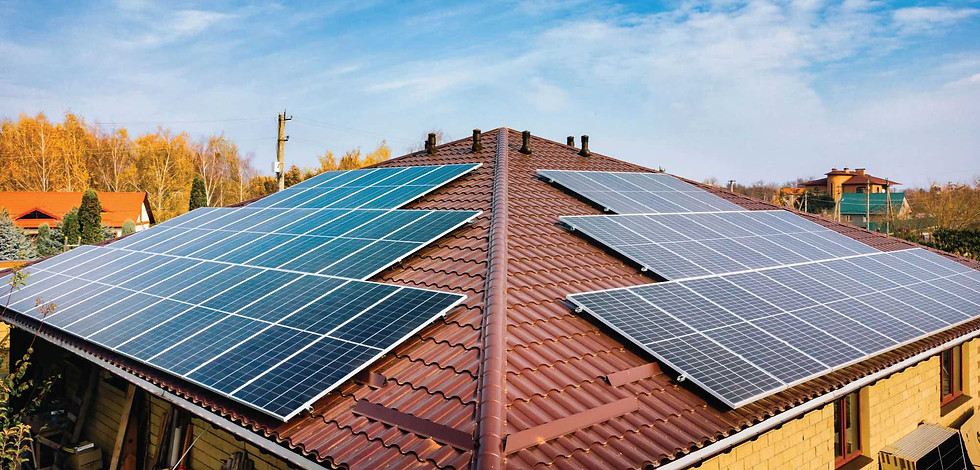
For most homeowners, solar power means installing solar panels that generate electricity for everyday use.
That is the short answer. The more useful answer is this: if you are thinking about going solar, you need to understand not only what solar power is, but how it works, what equipment is involved, what it may cost, what benefits it can offer, and whether it fits your home, budget, and long-term goals.
Key Takeaways
Solar power is energy from sunlight converted into electricity or heat.
In residential settings, solar panels usually generate electricity for household use.
A home solar system typically includes panels, an inverter, mounting hardware, wiring, and sometimes battery storage.
The biggest reasons homeowners consider solar are lower electricity bills, more energy independence, and a cleaner energy source.
Solar is not automatically the right choice for every home. Roof condition, local electricity prices, shading, financing, and system quality all matter.
Before going solar, it is important to evaluate the full system, not just the panels.
What Is Solar Power?
Solar power is a form of renewable energy that comes from the sun. It can be used in two main ways: to generate electricity and to produce heat. When people ask, “What is solar power?” they are usually referring to solar electricity created by photovoltaic panels, often called solar panels.
A simple definition is this: solar power is energy from sunlight that is captured and converted into usable power for homes, businesses, and other applications.
That makes solar power attractive for one clear reason. Sunlight is abundant, and unlike fuel, it does not need to be mined, transported, or burned before it can be used. The technology required to harness it does involve equipment and upfront investment, but the energy source itself is naturally available.

How Solar Power Works
To understand how solar power works, it helps to break the process into four simple steps.
Step 1: Sunlight hits the panels
Solar panels are designed to absorb sunlight. The cells inside the panels are made from semiconductor materials, most commonly silicon. When sunlight reaches those cells, it excites electrons and starts an electrical process.
Step 2: Panels generate direct current
The electricity created by solar panels is direct current, or DC electricity. Your home, however, uses alternating current, or AC electricity, for most appliances and systems.
Step 3: The inverter converts electricity
This is where the inverter plays a central role. It converts the DC electricity from the panels into AC electricity that your home can use. In many residential solar systems, the inverter is one of the most important performance components because it affects how efficiently solar energy is turned into usable power.
Step 4: Your home uses the power
Once converted, the electricity can power lights, appliances, HVAC systems, and electronics in the home. If the system produces more electricity than the home needs at that moment, the excess may be sent to the grid or stored in a battery, depending on the system design and local utility arrangement.
Featured snippet-ready answer
How does solar power work for a house?
Solar panels collect sunlight and generate direct current electricity. An inverter converts that electricity into alternating current for home use. The home uses the energy immediately, while surplus electricity may be exported to the grid or stored in batteries for later use.

What Is a Solar Power System Made Of?
A solar power system is more than just a row of panels on a roof. If you want a useful beginner guide to solar power, it is important to understand the full system.
Solar panels
These are the visible part of the system. Their job is to capture sunlight and generate electricity. Panel efficiency, durability, and long-term performance are major considerations when comparing options.
Inverter
The inverter converts electricity from DC to AC. Without it, the electricity from the panels would not be usable in most homes.
Mounting hardware
Panels need a secure mounting structure to attach them to the roof or ground. Mounting affects both safety and performance, especially in areas with wind, rain, or other environmental demands.
Wiring and connectors
Electrical wiring, connectors, and solar-rated cable components are essential for moving electricity safely through the system. These parts do not get as much attention as the panels, but they matter for reliability, safety, and long-term performance.
Monitoring system
Many modern systems include software or hardware that allows homeowners and installers to track production, spot problems, and review system performance over time.
Battery storage
Not every system includes batteries, but storage can make solar more flexible. Batteries allow homeowners to keep excess energy for evening use or backup power, though they also add cost and system complexity.
What Is Solar Power Used For?
Solar power is used in many ways, from small consumer products to large utility-scale energy projects. In residential settings, the most common uses include:
powering lights, appliances, and electronics
reducing dependence on grid electricity
charging home batteries or electric vehicles
supporting backup power strategies
offsetting daytime household energy demand
Outside the home, solar power is also used in commercial buildings, agriculture, telecommunications, street lighting, remote infrastructure, and utility-scale generation.
So when readers ask, “What is solar power used for?” the answer is broad. But for a homeowner, the practical answer is simple: it is used to generate electricity for everyday living.

Solar Power for Homes: How Residential Systems Work
Residential solar power is designed around a specific goal: helping a home produce some or all of its own electricity. A home solar system is usually sized based on energy use, roof space, local sunlight conditions, and budget.
In a typical setup, solar panels are installed on the roof where they get the best exposure. During the day, the panels generate electricity. The home uses that power first. If the system generates less than the household needs, the home draws the difference from the grid. If the system generates more than needed, the extra power may be exported or stored.
This is why residential solar power is not just about panel count. It is about system design. Panel orientation, tilt, shade, inverter type, wiring quality, and installation standards all influence results.
For homeowners, the most helpful mindset is this: think of solar as a complete energy system, not a single product.
Main Benefits of Solar Power
There are several reasons solar power continues to attract attention from homeowners.
Lower electricity costs
One of the main attractions of solar is the potential to reduce monthly electricity bills. The exact level of savings depends on system size, electricity prices, energy habits, and policy structure, but the basic idea is straightforward: producing your own electricity can reduce how much you buy from the grid.
Cleaner energy source
Solar power generates electricity without combustion during operation. That makes it appealing to homeowners who want a cleaner energy option compared with conventional power sources.
Greater energy independence
A home solar system can reduce dependence on utility electricity, especially when paired with battery storage. For some homeowners, this is about resilience. For others, it is about having more control over long-term energy costs.
Better use of roof space
For homes with suitable roof conditions, solar can turn unused roof area into an asset that generates energy over many years.
Long-term value perspective
Some buyers view solar as a long-term infrastructure upgrade rather than a short-term purchase. When approached carefully, it can fit into broader home improvement and energy planning decisions.
Solar Power Pros and Cons
A strong article should not oversell solar. It should help readers evaluate both the upside and the trade-offs.
Pros
Renewable energy source
Can reduce electricity bills
Useful for long-term energy planning
Can support energy resilience with batteries
Low ongoing fuel cost because sunlight is free
Cons
Requires upfront investment
Savings vary by location and utility structure
Roof condition and shading can limit performance
Not all systems are equal in quality
Batteries add cost
Maintenance needs are usually manageable, but not zero
For many homeowners, the biggest mistake is assuming solar is automatically beneficial in every case. It is often a strong option, but the details matter.
What Affects Solar Power Costs?
When people ask about solar power costs, they often want one number. In reality, cost depends on several variables, and that is why quoting averages without context is often misleading.
Here are the biggest cost drivers:
System size: Larger systems generally cost more overall, even if the cost per watt may improve.
Equipment quality: Panel type, inverter choice, and component quality influence price.
Roof complexity: Steep roofs, unusual layouts, or difficult access can increase installation cost.
Labor and installation standards: Quality installation is not the place to cut corners.
Battery storage: Adding storage can change the economics significantly.
Permitting and local conditions: Local regulatory, utility, and market factors can affect total cost.
A better question than “What does solar cost?” is “What will this system cost for my home, and what value will it deliver over time?”

Is Solar Power Worth It for Homeowners?
This is where informational content becomes decision-support content.
Solar power is often worth it for homeowners when the home has good solar exposure, electricity bills are meaningful, the roof is in decent condition, and the homeowner expects to stay in the property long enough to benefit from the system over time.
When solar usually makes sense
The roof gets solid sunlight
Electricity costs are high enough for savings to matter
The roof has enough usable area
The homeowner wants a longer-term energy solution
The system is designed and installed well
When solar may be less attractive
The roof is heavily shaded
The roof may need replacement soon
The homeowner plans to move very soon
Utility structures make savings less attractive [source needed]
The quoted system is overpriced or poorly designed
So, is solar power worth it for homeowners? Often yes, but not by default. The right answer depends on the property, the local energy environment, and the quality of the system proposal.
A Simple Checklist Before Going Solar
Before signing a contract or comparing quotes, work through this basic checklist.
1. Review your electricity use
Look at your power bills and understand how much electricity your household uses over time. Solar decisions should start with actual consumption.
2. Assess your roof
Check age, condition, orientation, and shading. A great solar quote does not help much if the roof is near the end of its life.
3. Understand the full system
Do not focus only on the panel brand. Ask about the inverter, wiring, connectors, mounting structure, monitoring, warranty coverage, and installation standards.
4. Compare proposals carefully
Two systems with similar headline numbers can differ significantly in design
quality, assumptions, and long-term value.
5. Think beyond price alone
The cheapest option is not always the best one. Reliability, workmanship, service, and component quality all matter.
6. Consider your long-term goals
Are you trying to lower bills, improve energy resilience, reduce grid dependence, or support a broader home electrification plan? Your goals should shape the system design.
Final Thoughts
The question “What is solar power?” sounds simple, but for homeowners it quickly becomes a more practical question: what role can solar play in my home, my budget, and my long-term energy decisions?
Solar power is sunlight converted into usable energy. That basic idea is easy to grasp. The real value comes from understanding how solar power works in the context of a complete home system. Panels matter, but so do the inverter, wiring, installation quality, roof suitability, and system design.
If you are going solar, the smartest approach is not to chase hype or shortcut the research. It is to evaluate solar the way you would evaluate any serious home infrastructure investment: clearly, patiently, and with attention to the details that affect performance over time.
A well-designed residential solar system can be a powerful upgrade. But the best outcomes usually come from informed decisions, not fast ones.
FAQ
1. What is solar power in simple words?
Solar power is energy from sunlight that is converted into electricity or heat for practical use in homes, businesses, and other applications.
2. What is solar power used for at home?
At home, solar power is mainly used to run lights, appliances, electronics, and other household systems while reducing reliance on grid electricity.
3. How does solar power work for a house?
Solar panels capture sunlight and generate electricity. An inverter converts that electricity into a form the home can use, and any extra energy may be sent to the grid or stored in batteries.
4. What is a solar power system made of?
A typical system includes solar panels, an inverter, mounting hardware, wiring, connectors, monitoring equipment, and sometimes battery storage.
5. Is solar power worth it for homeowners?
It can be, especially when the home has good sunlight exposure, suitable roof space, and electricity costs high enough for savings to matter. The answer depends on property conditions and system quality.
6. What should I check before going solar?
Review your electricity usage, roof condition, shading, system design, component quality, warranties, and the full financial proposal before making a decision.


Comments