
What Are the Types of Cable Jacket Materials? XLPE, XLPO, PVC & LSZH Explained

The outer jacket of a cable looks simple. It's just a layer of plastic, right? Not quite. That jacket is an engineered material that determines how a cable performs under heat, flame, moisture, UV exposure, chemicals, and mechanical stress — and in the wrong environment, the wrong jacket material can cause failure, pose a fire hazard, or void compliance certification.
The four most widely used cable jacket materials are PVC, XLPE, XLPO, and LSZH. Each has a distinct chemistry, a different set of performance characteristics, and a set of applications where it excels or falls short. Choosing the right one is not a minor spec detail — it's a fundamental decision that affects safety, longevity, and total cost.
This guide explains all four materials clearly, compares them directly, and gives you a practical framework for making the right choice.

Key Takeaways
PVC is the most widely used cable jacket material — cost-effective and versatile, but produces toxic smoke and corrosive gases when it burns.
XLPE uses cross-linked polyethylene to achieve higher temperature ratings, better mechanical strength, and superior chemical resistance compared to standard thermoplastic materials.
XLPO is a halogen-free alternative to XLPE, offering similar or better thermal performance with cleaner fire behavior — making it ideal for solar and transit applications.
LSZH (Low Smoke Zero Halogen) is the preferred choice wherever fire safety and smoke toxicity are critical concerns — tunnels, data centers, marine environments, and public buildings.
The best jacket material depends on temperature rating, fire safety requirements, installation environment, chemical exposure, UV exposure, and budget.
Always verify compliance against relevant standards: IEC 60332, IEC 60754, UL 44, UL 1581, and CPR regulations where applicable.
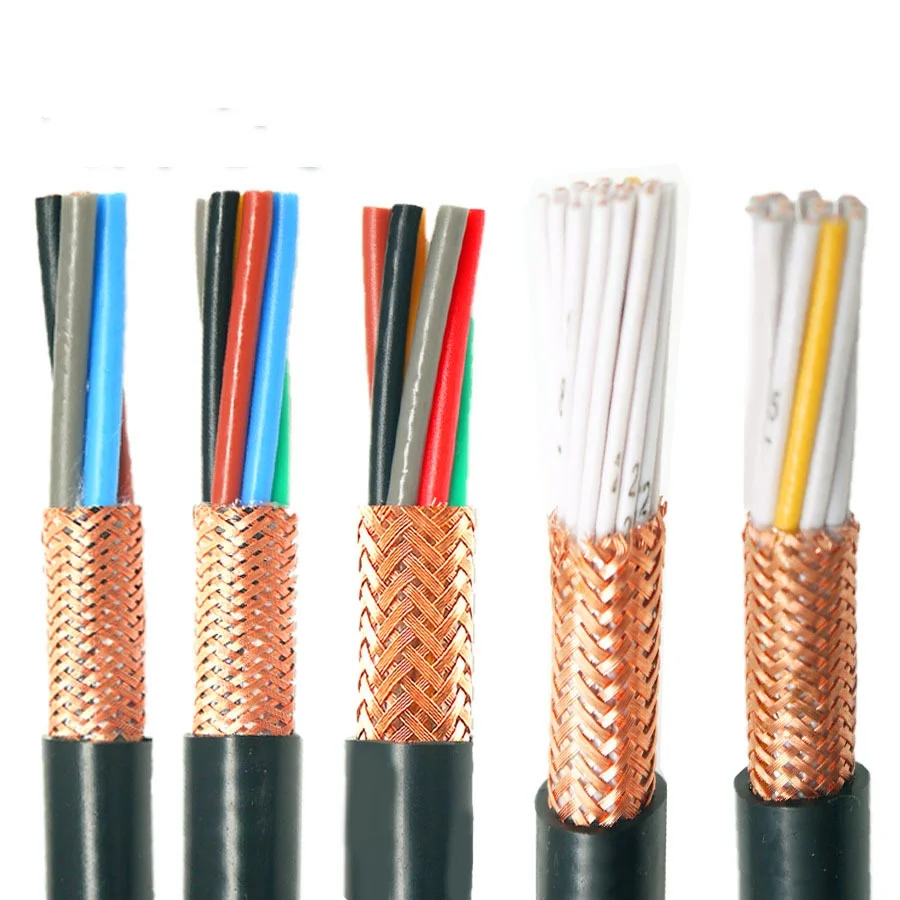
What Is a Cable Jacket — and Why Does the Material Matter?
A cable jacket (also called a cable sheath) is the outermost protective layer of a cable. It is the first line of defense against the external environment — physical damage, moisture, chemicals, UV radiation, and temperature extremes. Without it, the inner components of the cable — the conductors, insulation, and shielding — would degrade rapidly under real-world conditions.
Cable Jacket vs. Cable Insulation — What's the Difference?
These two terms are often confused, but they serve distinct functions.
Cable insulation is the dielectric layer applied directly around each individual conductor. Its job is electrical — to prevent current from leaking between conductors and to maintain dielectric integrity under voltage stress.
The cable jacket is the outer structural layer that encases the entire cable assembly. Its job is primarily mechanical and environmental — to protect the cable from external damage, moisture ingress, chemical attack, and physical abrasion.
In some single-conductor cables, the insulation may double as the outer jacket. But in multi-conductor and specialty cables, these are always distinct layers with separate material specifications.
What the Jacket Protects Against
A cable jacket is engineered to resist a combination of the following:
Mechanical damage — cuts, crush loads, abrasion during installation
Moisture and water ingress — especially in buried or outdoor applications
UV radiation — for cables exposed to sunlight
Chemicals and oils — relevant in industrial, marine, and automotive environments
Temperature extremes — both operational heat and cold-weather flexibility
Flame and fire propagation — especially in buildings, tunnels, and transit systems
Ozone and weathering — for outdoor aerial or exposed installations
The jacket material you specify determines how well the cable handles each of these. No single material excels at everything, which is why understanding the trade-offs matters.
The Four Main Cable Jacket Materials
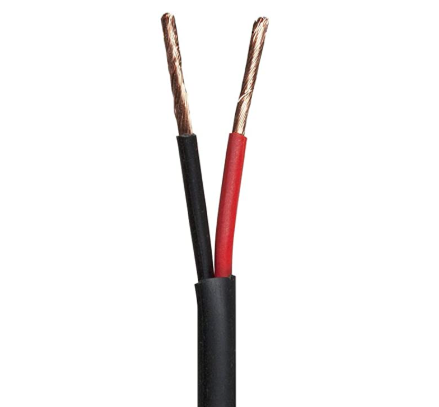
PVC (Polyvinyl Chloride)
Composition: PVC is a thermoplastic polymer produced by polymerizing vinyl chloride. As a cable jacket compound, it is formulated with plasticizers (for flexibility), stabilizers (for thermal and UV resistance), and flame retardant additives. The exact compound varies significantly by grade.
Key Properties:
Operating temperature: typically –15°C to +70°C (standard grades); up to 90°C for heat-stabilized compounds
Good flexibility, especially in standard-temperature applications
Moderate chemical resistance
Inherently flame retardant due to its chlorine content
Low cost and widely available
Advantages:
Lowest material cost of the four options
Easy to extrude and process — well-established manufacturing infrastructure
Acceptable mechanical performance for most general wiring applications
Available in a wide range of colors for identification
Disadvantages:
When it burns, PVC releases hydrogen chloride (HCl) gas — corrosive, toxic, and harmful to electronics and people
Produces dense, black smoke that severely limits visibility in evacuations
Plasticizer migration over time can cause embrittlement, especially at elevated temperatures
Not suitable for high-temperature continuous operation
Environmental concerns over chlorine content and disposal
Typical Applications: Building wire, control cables, power cables in standard indoor environments, appliance wiring, general industrial cabling where fire safety is not a critical design driver.

XLPE (Cross-Linked Polyethylene)
Composition: XLPE starts with polyethylene and subjects it to a cross-linking process — either using peroxide-initiated chemical cross-linking or electron-beam irradiation — that creates covalent bonds between the polymer chains. This converts the thermoplastic polyethylene into a thermoset material with fundamentally different performance characteristics.
Key Properties:
Operating temperature: typically 90°C continuous; 130°C short-circuit rated in many grades
Excellent dielectric properties, maintained across a wide temperature range
Superior thermal aging resistance compared to PVC
Good chemical and moisture resistance
Good mechanical strength — high tensile strength and abrasion resistance
Advantages:
Significantly higher temperature rating than PVC
Better ampacity — thinner insulation can carry more current at the same voltage rating
Retains shape and mechanical integrity under overload and short-circuit conditions
Long service life in demanding environments
Good UV resistance (especially when compounded with carbon black)
Disadvantages:
XLPE contains no halogens but standard XLPE is not inherently halogen-free in all formulations (check compound specification)
Fire performance, while improved over some thermoplastics, is not equivalent to LSZH
Higher cost than standard PVC
Thermoset nature means it cannot be re-melted or thermally recycled
Typical Applications: Medium-voltage and high-voltage power cables, underground distribution cables, industrial power cables, offshore cables, solar cables (often in XLPO variant), building wire in demanding installations.
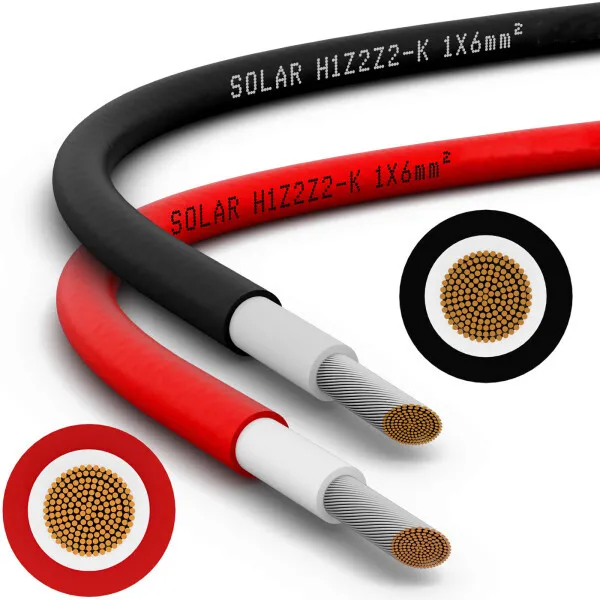
XLPO (Cross-Linked Polyolefin)
Composition: XLPO is cross-linked polyolefin — a broader family that includes polyethylene, polypropylene, and copolymers, cross-linked by irradiation or chemical methods. Critically, XLPO formulations are designed to be halogen-free, which is the defining distinction from standard XLPE in most commercial use.
Key Properties:
Operating temperature: 90°C to 125°C continuous depending on grade; excellent short-circuit ratings
Halogen-free composition — produces minimal toxic gases when exposed to flame
Low smoke emission in fire conditions
Comparable or superior mechanical properties to XLPE
Excellent UV resistance — especially important for solar and outdoor cable applications
Advantages:
Combines the thermal and mechanical performance of cross-linked materials with the fire safety profile of halogen-free compounds
Meets stringent fire safety standards required in solar, transit, and public building applications
Better environmental profile than PVC and better fire behavior than standard XLPE
The preferred jacket material for photovoltaic (PV) solar cables (EN 50618 / IEC 62930 certified products are typically XLPO)
Disadvantages:
Higher cost than both PVC and standard XLPE
Slightly more complex processing requirements
Not as universally available in all regional markets as PVC or XLPE
Typical Applications: Solar/photovoltaic cables, rolling stock and railway cables, offshore and marine cables, nuclear plant cables, public infrastructure where halogen-free and high-temperature performance are both required.

LSZH (Low Smoke Zero Halogen)
Composition: LSZH (also written LS0H or LSOH; sometimes called HFFR — Halogen-Free Flame Retardant) is not a single polymer but a compound family. LSZH jackets are typically formulated from ethylene vinyl acetate (EVA), polyolefin base resins, or other halogen-free polymers, heavily loaded with mineral-based flame retardants such as aluminium trihydrate (ATH) or magnesium hydroxide.
Key Properties:
Operating temperature: typically –20°C to 70°C or 90°C depending on grade
Produces minimal smoke when exposed to flame
Releases no significant halogen-containing gases when burned
Flame retardant — self-extinguishing behavior in most formulations
Can be stiffer and less flexible than PVC or XLPE at low temperatures
Advantages:
Dramatically lower smoke density than PVC in fire conditions
No corrosive or toxic halogenic gas emission — critical for protecting people and electronic infrastructure
Preferred or mandated in confined, high-occupancy, or safety-critical environments
Meets IEC 60332 (flame propagation), IEC 60754 (halogen content), and IEC 61034 (smoke density) — the core fire performance trilogy
Disadvantages:
More expensive than PVC, often comparable to or slightly more than XLPE
The mineral flame retardant loading reduces flexibility — LSZH cables can be stiffer, especially in cold weather
Lower tensile strength than XLPE in some formulations
Moisture absorption can be higher in some compounds — important for outdoor or direct burial applications
Typical Applications: Data centers, server rooms, tunnels, transit systems (metro, rail), public buildings, hospitals, airports, marine and offshore, any enclosed space where fire safety, visibility, and non-toxic smoke are essential.
Cable Jacket Materials Comparison Table
Property | PVC | XLPE | XLPO | LSZH |
Max Continuous Temp. | 70–90°C | 90–130°C | 90–125°C | 70–90°C |
Flame Performance | Self-extinguishing (limited) | Better than PVC | Good — halogen-free | Excellent — low smoke |
Smoke Density | High, dense black | Moderate | Low | Very low |
Halogen Content | Yes (chlorine) | No (standard PE) | No | No |
Toxic Gas Emission | High (HCl) | Low | Very low | Very low |
Chemical Resistance | Moderate | Excellent | Excellent | Moderate–Good |
UV / Weather Resistance | Moderate (stabilized) | Good–Excellent | Excellent | Moderate |
Flexibility | Good | Good | Good | Moderate (stiffer) |
Mechanical Strength | Moderate | High | High | Moderate |
Relative Cost | Low | Medium | Medium–High | Medium–High |
Key Standards | UL 44, IEC 60227 | UL 44, IEC 60502 | EN 50618, IEC 62930 | IEC 60332, 60754, 61034 |
XLPE vs. PVC — Key Differences
Temperature and Overload Performance
This is where XLPE wins decisively. Standard PVC cable jackets and insulation are rated to 70°C for continuous operation, with heat-stabilized grades reaching 90°C. XLPE is typically rated at 90°C continuous, with short-circuit performance extending to 130°C or higher depending on the compound.
In practice, this means XLPE cables can carry more current (higher ampacity) through a given conductor cross-section, or maintain rated performance in higher-ambient-temperature environments such as industrial facilities, rooftop conduit runs, or equipment rooms.
Fire Behavior
PVC is inherently flame retardant due to its chlorine content — it resists ignition and self-extinguishes. However, once it does burn, it releases hydrogen chloride gas. HCl is corrosive enough to damage sensitive electronics and server equipment far beyond the fire zone, and toxic enough to be a serious hazard to building occupants.
XLPE, by contrast, does not contain halogens and produces less corrosive combustion products. However, standard XLPE is not formulated specifically for fire safety in the same way LSZH is — it should not be assumed to meet stringent smoke density or toxicity standards without verified compound testing.
Mechanical Properties
XLPE consistently outperforms PVC in tensile strength, elongation retention after aging, and resistance to deformation under sustained load (known as creep). For high-ampacity applications where the conductor and insulation operate at elevated temperatures for extended periods, XLPE's thermoset structure prevents the softening and deformation that can occur in thermoplastic PVC.
PVC vs. LSZH — Key Differences
Fire Safety and Smoke Toxicity
This is the most important difference. In a fire scenario:
PVC generates dense, black, opaque smoke and releases hydrogen chloride gas. HCl combines with moisture to form hydrochloric acid, which corrodes metals and electronics and causes severe respiratory damage.
LSZH produces significantly less smoke (measured by light transmittance in IEC 61034) and releases no significant halogenic gases (verified by IEC 60754). In confined spaces — tunnels, ships, data centers, metro stations — this distinction can be the difference between a manageable evacuation and a catastrophic one.
Flexibility and Installation
Standard PVC is typically more flexible than LSZH at ambient and cold temperatures. The high mineral filler loadings in LSZH compounds reduce flexibility and can make cables stiffer — a relevant concern in complex cable routing, tight bend radius applications, or cold-weather installation. LSZH compounds have improved significantly in this area, and modern formulations are narrowing the gap, but PVC still has the edge for pure installation flexibility.
Cost Considerations
PVC remains the lower-cost option in most markets. LSZH carries a cost premium, but this premium needs to be evaluated against the total cost of ownership — especially in data centers or server rooms where PVC-related corrosion from a cable fire event can cause damage costs orders of magnitude greater than the material savings.
XLPE vs. XLPO — What's the Difference?
Composition and Cross-Linking
XLPE is specifically cross-linked polyethylene. XLPO is cross-linked polyolefin — a broader formulation that may include polyethylene, polypropylene, or blended copolymers. Both use the same cross-linking mechanisms (peroxide or irradiation), resulting in similar thermoset characteristics: no melting under heat, better aging resistance, and improved mechanical performance.
Halogen Content
This is the critical distinction. Standard XLPE formulations are not inherently halogen-free in the same way XLPO compounds are specifically engineered to be. XLPO is designed from the ground up as a halogen-free compound, and its flame retardant additives are also halogen-free. This makes XLPO the correct choice wherever both high-temperature performance and halogen-free fire behavior are required simultaneously.
When to Choose XLPO Over XLPE
Choose XLPO when your application requires:
Operating temperatures above 90°C (eliminating standard LSZH)
Halogen-free and low smoke fire behavior (eliminating standard XLPE and PVC)
UV and weather resistance for outdoor or solar applications
Compliance with specific standards like EN 50618 (solar cables), EN 45545 (railway), or IEC 60092 (marine) that mandate halogen-free performance
Solar photovoltaic cable is the most prominent commercial example. Rooftop and utility-scale PV cables face UV exposure, outdoor temperature cycling, and fire safety requirements simultaneously — XLPO is the standard solution.
What Does "Cross-Linked" Mean in Cable Jacket Materials?
Cross-linking is a chemical process that creates permanent covalent bonds between adjacent polymer chains in a material. In an uncross-linked (thermoplastic) polymer like standard polyethylene or PVC, the chains are held together by weaker van der Waals forces — they can slide past each other when heated, causing softening and flow.
After cross-linking, the polymer chains are chemically bonded together in a three-dimensional network. The material no longer melts or flows under heat — it becomes a thermoset. This fundamentally changes the performance profile.
Irradiation vs. Chemical Cross-Linking
Electron-beam (irradiation) cross-linking: The extruded cable is passed through an electron-beam accelerator. High-energy electrons penetrate the polymer and generate free radicals that form cross-links. This process is fast, clean, and highly controllable — common for wire and cable produced in moderate volumes.
Chemical (peroxide) cross-linking: A peroxide compound is blended into the polymer and activated by heat during or after extrusion. This is the dominant process for medium-voltage and high-voltage cable insulation, and for large conductor cables where electron-beam penetration depth is limiting.
Both methods achieve similar performance outcomes — the choice is primarily driven by cable geometry, production volume, and manufacturing infrastructure.
Why Cross-Linking Improves Performance
Property | Thermoplastic (PE/PVC) | Cross-Linked (XLPE/XLPO) |
High-temp. deformation | Softens and flows | Maintains shape |
Aging resistance | Moderate | Superior |
Ampacity | Limited by heat distortion | Higher — better thermal tolerance |
Short-circuit rating | Lower | Higher (130°C+ for XLPE) |
Chemical resistance | Moderate | Excellent |
How Cable Jacket Material Affects Fire Safety
Fire safety is frequently the deciding factor between PVC and the halogen-free alternatives. Understanding what actually happens to each material in a fire is essential for making an informed specification.
Flame Propagation
All four materials can be formulated to meet basic flame propagation resistance (IEC 60332-1 for single cables; IEC 60332-3 for bunched cables). However, formulation quality varies significantly between manufacturers and compound grades. Do not assume any cable passes flame propagation tests without verified certification data.
Smoke Density and Toxicity
IEC 61034 measures smoke density by placing a burning cable in a 3m³ chamber and measuring how much light is transmitted through the smoke. A minimum light transmittance of 60% is a commonly cited pass threshold. PVC fails this test definitively. LSZH and XLPO are specifically formulated to pass it.
Corrosive Gas Emission
IEC 60754-1 and -2 measure the halogen gas content and acidity of combustion gases. PVC produces large quantities of hydrogen chloride. LSZH and XLPO produce negligible halogen gases.
This matters beyond human health. HCl gas released in a data center fire — even a small, contained one — can corrode server racks, circuit boards, and copper interconnects throughout the facility, causing damage that persists long after the fire is extinguished.
Why It Matters in Confined Spaces
In an underground tunnel, ship corridor, metro station, or aircraft hold, there is limited ventilation and no immediate escape to open air. Dense smoke impairs visibility required for evacuation. Toxic gases incapacitate occupants. Corrosive gases destroy communication and safety systems that are needed to manage the emergency. These compounding effects are precisely why LSZH is mandated — not just recommended — in many of these environments.
How to Choose the Right Cable Jacket Material
Application Environment Checklist
Before selecting a jacket material, work through these questions:
Temperature: What is the maximum continuous operating temperature at the installation location, including ambient heat? What short-circuit temperature must the cable survive?
Fire safety: Is the installation in a confined space, a building with high occupancy, a data center, or a location governed by halogen-free mandates?
Outdoor exposure: Will the cable be exposed to UV radiation, extreme temperature cycling, or direct weathering?
Chemical exposure: Are oils, fuels, solvents, acids, or industrial chemicals present?
Mechanical stress: What are the installation bend radius requirements? Will the cable be subject to abrasion, crush loads, or repeated flexing?
Standards compliance: Which national or international standards apply to this installation? (NEC, IEC, CPR, UL, EN)
Budget: What is the acceptable installed cost, and how does it balance against service life and risk?
Decision Framework
Condition | Recommended Material |
Standard indoor, cost-sensitive | PVC |
High temperature (>90°C continuous) | XLPE or XLPO |
Confined space / fire safety critical | LSZH |
Halogen-free + high temperature + outdoor | XLPO |
Solar / photovoltaic installation | XLPO (EN 50618 / IEC 62930) |
Data center / server room | LSZH |
Underground / direct burial, industrial | XLPE |
Marine / offshore / transit | LSZH or XLPO |
Low-budget general wiring, limited fire risk | PVC |

Cable Jacket Materials by Application
Indoor / Building Wiring
PVC is standard for general building wiring in most markets where fire safety codes do not mandate halogen-free materials. For buildings with high occupancy, large open-plan data environments, or stringent fire safety specifications, LSZH is increasingly specified. Always check local building codes — requirements differ significantly between North America (NEC-based), Europe (CPR-aligned), and Asia-Pacific markets.
Outdoor / Direct Burial / Underground
XLPE is the dominant choice for underground power distribution cables — it handles temperature variation, moisture, and soil chemical exposure well. For outdoor aerial cables with significant UV exposure, XLPE compounded with carbon black or UV stabilizers is standard. XLPO is used where halogen-free requirements also apply.
Data Centers and Server Rooms
LSZH is the industry standard for data center structured cabling and power distribution in enclosed server environments. The combination of dense equipment, high thermal loads, valuable electronics, and enclosed space makes the corrosive and toxic smoke of PVC unacceptable, regardless of cost. LSZH patch cables, trunking cables, and power cables are routine specifications in Tier III and Tier IV facilities.
Transit / Rail / Marine
Railway rolling stock cables must comply with EN 45545 (Europe) — a stringent multi-hazard level fire standard that effectively mandates LSZH or XLPO formulations. Marine and offshore cables follow IEC 60092 series or equivalent flag-state regulations, again requiring halogen-free jacket materials. These are high-consequence environments where the fire safety argument is non-negotiable.
Industrial / Oil and Gas
Industrial environments demand cables that resist chemical attack, oils, and mechanical damage. XLPE is a strong performer here due to its excellent chemical resistance and mechanical toughness. Where fire safety is also a concern — such as in enclosed process facilities or platforms — XLPO or LSZH variants with enhanced oil and chemical resistance are specified.
Solar / Renewable Energy
PV cable (photovoltaic cable) is almost universally specified in XLPO. The combination of UV exposure (25+ year service life expected), outdoor temperature cycling (typically –40°C to +90°C), DC voltage stress, and fire safety requirements in rooftop installations creates a requirement profile that only XLPO satisfies comprehensively. EN 50618 and IEC 62930 are the governing standards.
Standards and Compliance
IEC and CPR (European Context)
The IEC 60332 series covers flame propagation testing. IEC 60754 covers halogen content in combustion gases. IEC 61034 covers smoke density. These three standards together define the fire performance baseline for cable jacket materials in European and international markets.
The EU Construction Products Regulation (CPR) introduced the Euroclasses system (Aca through Fca) for cables installed in buildings. Higher Euroclasses (Aca, B1ca, B2ca) require progressively better fire performance and favor LSZH and XLPO over PVC.
UL Ratings
In North American markets, UL ratings govern cable use in specific building environments:
CMP (Plenum): Cables run in air-handling plenums — highest fire safety requirements, low smoke, limited flame spread
CMR (Riser): Cables run vertically between floors — intermediate fire requirements
CM (General Purpose): Standard indoor installation
UL 44 covers thermoset-insulated wire and cable (including XLPE). UL 1581 is the reference standard for electrical wires, cables, and flexible cords.
NEC Guidance
The National Electrical Code (NEC) in the United States specifies cable types by installation location and fire performance. Article 800 (communications cables), Article 725 (control and signaling cables), and Chapter 3 (wiring methods) all include requirements that influence jacket material selection. Local amendments may add further restrictions. Consult the applicable edition of the NEC and your Authority Having Jurisdiction (AHJ) for definitive guidance.
Common Mistakes When Choosing Cable Jacket Materials
1. Defaulting to PVC everywhere without evaluating fire safety requirements. PVC is the default for a reason — cost and availability — but it is genuinely the wrong choice in confined spaces, data centers, and transit applications. The material cost savings are not worth the fire risk and compliance exposure.
2. Assuming "XLPE" means "halogen-free." Standard XLPE is not inherently halogen-free. If halogen-free performance is required, specify XLPO or a verified halogen-free XLPE compound and request test data.
3. Specifying LSZH without checking flexibility requirements. LSZH can be significantly stiffer than PVC, particularly in cold weather. For tight conduit fills, complex routing, or outdoor winter installation, verify the cold-bend performance of the specific LSZH compound.
4. Overlooking UV resistance in outdoor applications. Neither standard PVC nor unfilled LSZH offer long-term UV resistance without specific stabilizer packages. For outdoor cables, confirm UV resistance test data (typically per IEC 60811-405 or equivalent).
5. Ignoring compound grade variation within a material type. "LSZH" or "XLPE" describes a material family, not a single compound. Properties vary significantly between manufacturers and grades. Always request compound data sheets and third-party test certification.
6. Not checking for standards compliance specific to the application. A cable that meets general requirements may still fail application-specific standards — EN 50618 for solar cables, EN 45545 for railway, IEC 60092 for marine. Specify and verify against the correct standard.
Frequently Asked Questions
What is the difference between XLPE and XLPO cable jackets?
XLPE is cross-linked polyethylene, while XLPO is cross-linked polyolefin — a broader family of halogen-free cross-linked compounds. Both offer high-temperature performance and excellent mechanical properties, but XLPO is specifically formulated to be halogen-free, producing minimal toxic or corrosive gases in fire. XLPO is the preferred choice for solar cables, railway, and marine applications where halogen-free performance is required alongside high thermal ratings.
When should I use LSZH cable instead of PVC?
Use LSZH wherever cables are installed in confined spaces, high-occupancy buildings, data centers, tunnels, transit systems, or marine environments. Specifically: wherever toxic smoke or corrosive gas emission in a fire scenario poses a serious risk to life, evacuation, or critical infrastructure. In many of these environments, LSZH is not a preference — it is a code or contractual requirement.
Is XLPE better than PVC for cable jackets?
For most demanding applications, yes. XLPE offers a higher temperature rating (90°C vs. 70°C standard), better ampacity, superior aging resistance, and better mechanical performance. PVC remains a valid choice for general, cost-sensitive, standard-temperature indoor wiring where fire safety requirements do not mandate halogen-free materials.
What does "zero halogen" mean in LSZH cable?
"Zero halogen" means the cable jacket compound contains no significant halogen elements — specifically no chlorine, fluorine, bromine, or iodine. When halogens are present (as in PVC), they form toxic and corrosive acidic gases during combustion. Halogen-free compounds produce minimal acidic gas, reducing toxicity and corrosion risk in fire conditions. The halogen content is verified by IEC 60754 testing.
Can I use PVC cable in a data center?
PVC is generally not recommended for data center environments, particularly for cables running inside server rooms, raised floors, or cable management systems. The corrosive HCl gas produced by PVC in a fire event can damage electronics throughout the facility, extending damage far beyond the fire origin. Most data center standards and specifications call for LSZH cables. Verify with applicable standards (e.g., TIA-942, EN 50173) and your facility's compliance requirements.
What is the typical temperature rating of LSZH cable jacket?
Most standard LSZH compound grades are rated for 70°C to 90°C continuous operation, depending on formulation. This is generally lower than XLPE or XLPO, which can reach 90°C to 125°C or higher. Where both high temperature and halogen-free performance are required simultaneously, XLPO is the appropriate choice — it combines the thermal performance of cross-linked materials with the fire safety of halogen-free compounds.
Conclusion
Cable jacket material selection is not a detail to be resolved by defaulting to the cheapest or most familiar option. The jacket is the cable's first and last defense against its environment — and in a fire, it determines how a building, tunnel, or data hall behaves.
The four main materials each occupy a clear position in the performance spectrum. PVC is cost-effective and adequate for standard conditions. XLPE elevates thermal and mechanical performance for demanding power applications. XLPO adds halogen-free fire safety to that high-performance profile, making it the material of choice for solar, rail, and offshore applications. LSZH is the right answer wherever confined space fire safety is the overriding priority.


Comments