
Understanding Copper Wire Grades: No.1 Copper vs No.2 Copper and Electrical Conductors

Why Copper Grade Does Not Define Electrical Cable Performance
How Copper Conductors Are Classified: Solid, Stranded and Flexible Copper Wire
Solid Copper Wire vs Stranded Copper Wire vs Flexible Copper Conductor
How to Choose the Right Copper Conductor for Solar Cable Applications
How FRCABLE Ensures High-Quality Copper Conductors for Reliable Cable Performance
How to Select the Right Copper Cable for Different Applications
Why Copper Remains the Preferred Material for Solar and Electrical Cables
Frequently Asked Questions About Copper Wire Grades and Conductors
Conclusion: Choosing the Right Copper Conductor Matters More Than Copper Grade Names
Introduction
Copper is one of the most important materials used in modern electrical systems because of its excellent electrical conductivity, durability, and reliability. From power transmission cables to photovoltaic systems, copper conductors play a critical role in ensuring efficient energy transfer.
However, many buyers, engineers, and distributors often encounter terms such as No.1 copper, No.2 copper, solid copper wire, and copper conductor without understanding the differences between them.
One common misunderstanding is assuming that No.1 copper vs No.2 copper refers directly to electrical cable quality. In reality, these classifications are mainly associated with copper recycling and scrap trading, while electrical cable manufacturers evaluate copper based on different criteria, including copper purity, conductivity, conductor structure, resistance, and international standards.
For electrical applications such as solar cables, power cables, and industrial wiring, choosing the correct copper conductor specification is far more important than simply selecting a copper grade name.
This guide explains:
What No.1 copper and No.2 copper mean
The difference between copper scrap grades and electrical conductors
How copper wire is manufactured
Which copper conductors are used for solar cables
How to choose the right copper conductor for different applications
As a professional solar cable manufacturer, FRCABLE provides high-quality copper conductor solutions designed for reliable performance in photovoltaic and renewable energy applications.
What Is the Difference Between No.1 Copper vs No.2 Copper?
When people search for “No.1 copper vs No.2 copper”, they are usually comparing copper grades used in recycling markets rather than finished electrical cable manufacturing.
The main difference between these two categories is the level of cleanliness, contamination, and processing requirements.
No.1 Copper: Clean High-Quality Copper Material
No.1 copper generally refers to clean, unalloyed copper with minimal contamination.
Typical characteristics include:
High copper content
No significant coating or insulation
No solder or foreign materials
Low oxidation level
Suitable for recycling and remelting
In copper recycling markets, No.1 copper is considered a higher-value category because it requires less processing before reuse.
However, it is important to understand that No.1 copper does not automatically mean it is a specific electrical cable conductor standard.
For cable manufacturing, engineers normally specify:
Copper purity
Electrical conductivity
Conductor class
Diameter
Resistance value
Applicable standards
No.2 Copper: Lower Grade Copper with More Contamination
No.2 copper usually contains more surface oxidation, coatings, solder, or other materials compared with No.1 copper.
Common characteristics include:
Lower cleanliness
Possible oxidation
Coating or attached materials
Additional processing required
The exact classification can vary depending on the recycling market and buyer specifications.
No.2 copper is still valuable as a recyclable material, but it is not normally used as a direct specification for high-performance electrical conductors.

No.1 Copper vs No.2 Copper Comparison Table
Feature | No.1 Copper | No.2 Copper |
Main Application | Copper recycling market | Copper recycling market |
Copper Condition | Cleaner copper | More contaminated copper |
Surface Quality | Minimal oxidation | More oxidation/coating possible |
Processing Requirement | Lower | Higher |
Electrical Cable Specification | Not a direct standard | Not a direct standard |
Used for Solar Cable Selection | No | No |
Why Copper Grade Does Not Define Electrical Cable Performance
A common mistake among buyers is choosing copper wire only by asking:
“Is this No.1 copper or No.2 copper?”
For electrical cables, this question is incomplete.
A professional cable specification should focus on electrical and mechanical performance.
Important factors include:
Copper Purity
High-purity copper provides better electrical performance because impurities increase electrical resistance.
Electrical cable manufacturers commonly use high-conductivity copper materials such as:
Electrolytic copper
Annealed copper wire
Oxygen-free copper
High-purity copper conductor
Copper Conductivity
Copper is widely used in electrical applications because it has excellent conductivity compared with many other metals.
Higher conductivity helps:
Reduce power losses
Improve energy efficiency
Maintain stable current transmission
Reduce heat generation
For solar cable applications, conductivity directly affects long-term system efficiency.
Copper Wire Resistance
Electrical resistance is one of the most important parameters when evaluating a copper conductor.
Lower resistance means:
Less voltage drop
Lower energy loss
Better cable efficiency
For photovoltaic systems, where cables operate outdoors for decades, maintaining stable electrical performance is essential.
What Type of Copper Is Used in Electrical Cables?
Electrical cables usually use specially processed copper conductors rather than recycled copper grades.
The most common copper conductor materials include:
Electrolytic Copper for Cable Manufacturing
Electrolytic copper is widely used because it provides:
High conductivity
Stable chemical composition
Excellent processing performance
During manufacturing, copper rods are drawn into wires with precise dimensions before being assembled into conductors.
Annealed Copper Wire
Annealed copper wire is copper that has undergone heat treatment to improve flexibility.
Advantages include:
Better bending performance
Improved ductility
Easier cable processing
Suitable for flexible applications
Annealed copper wire is commonly used in power cables, solar cables, and industrial wiring.
Tinned Copper Conductor
A tinned copper conductor is a copper wire coated with a thin layer of tin.
The tin coating improves:
Corrosion resistance
Oxidation resistance
Long-term reliability in outdoor environments
This is why many solar cables use tinned copper conductors, especially in applications exposed to humidity, UV radiation, and temperature changes.
How Copper Conductors Are Classified: Solid, Stranded and Flexible Copper Wire
While copper purity determines electrical performance, the structure of the copper conductor determines how the cable behaves during installation and operation.
Electrical cable manufacturers classify conductors according to internationally recognized standards such as IEC 60228, which defines conductor sizes, resistance requirements, and conductor classes.
A major point to remember:
Class 1, Class 2, and Class 5 are conductor construction categories, not copper quality grades.
They describe how copper wires are arranged inside the cable.

Solid Copper Wire (Class 1 Copper Conductor)
A solid copper wire consists of a single copper conductor.
It is commonly used in fixed electrical installations where the cable does not require frequent movement.
Advantages of solid copper wire:
Simple conductor structure
Good electrical conductivity
Lower manufacturing complexity
Stable performance in fixed applications
Suitable for permanent installations
Limitations:
Less flexible
More difficult to bend
Not ideal for applications requiring repeated movement
Solid copper conductors are generally selected for applications where mechanical flexibility is not the primary requirement.

Stranded Copper Conductor (Class 2 Copper Conductor)
A stranded copper conductor is made by twisting multiple copper wires together to form one conductor.
Compared with solid wire, stranded conductors provide better flexibility and mechanical performance.
Advantages of stranded copper conductors:
Improved flexibility
Easier cable installation
Better resistance to mechanical stress
Suitable for larger cable sizes
Stranded copper conductors are commonly used in industrial power cables, control cables, and many fixed electrical applications.

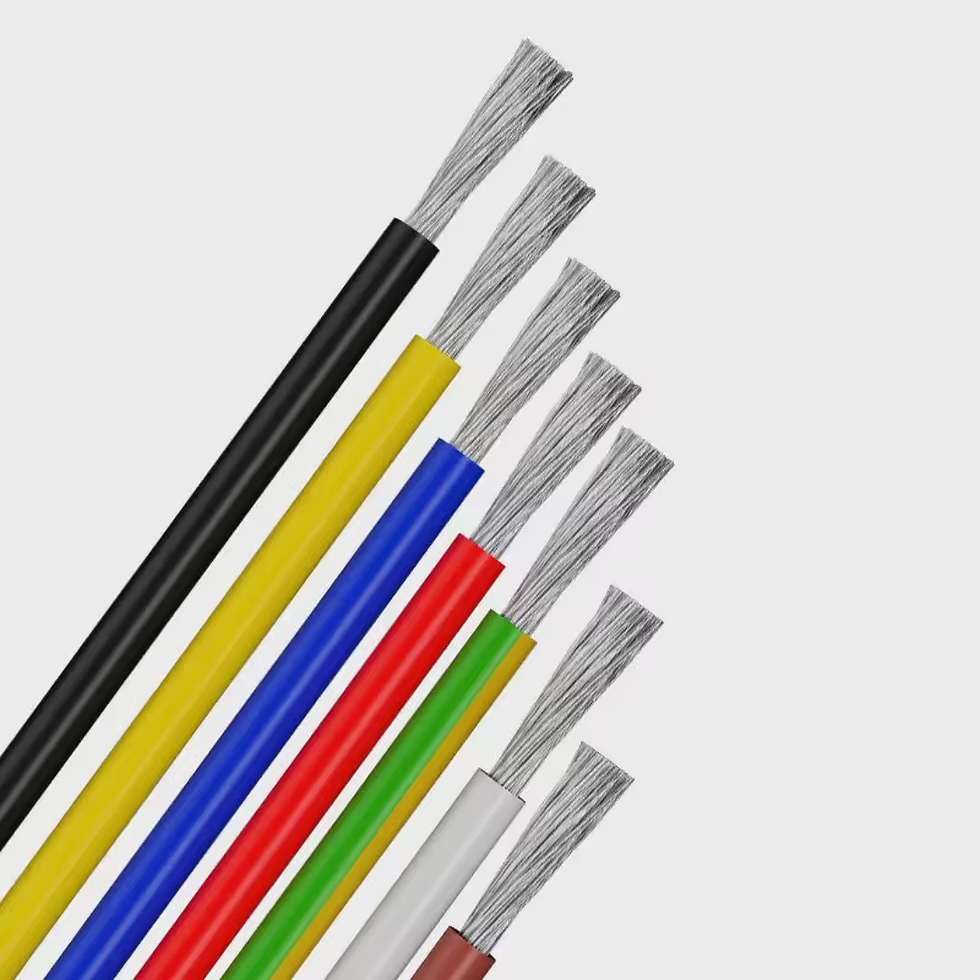
Flexible Copper Conductor (Class 5 Copper Conductor)
Class 5 flexible copper conductors contain many fine copper strands, allowing the cable to bend repeatedly without damaging the conductor.
This type of conductor is especially important for:
Solar cables
Battery cables
Portable equipment cables
Renewable energy systems
According to IEC 60228, Class 5 conductors are flexible conductors designed for flexible cable applications.
Solid Copper Wire vs Stranded Copper Wire vs Flexible Copper Conductor
Feature | Solid Copper Wire | Stranded Copper Conductor | Flexible Copper Conductor |
Structure | Single copper wire | Multiple copper wires twisted together | Many fine copper strands |
Flexibility | Low | Medium | High |
Installation | Fixed installation | Industrial installation | Moving or flexible applications |
Mechanical Strength | Good for static use | Better bending performance | Excellent flexibility |
Common Applications | Building wiring | Power cables | Solar cables, battery cables |
How to Choose the Right Copper Conductor for Solar Cable Applications
Selecting the correct solar cable copper conductor is essential because photovoltaic systems operate outdoors for many years under changing environmental conditions.
A solar cable must withstand:
UV exposure
Temperature fluctuations
Humidity
Mechanical stress
Long-term electrical loading
A poor-quality conductor can lead to:
Higher resistance
Increased energy loss
Excessive heating
Reduced system efficiency
What Copper Is Used for Photovoltaic Cables?
Modern photovoltaic cables commonly use:
High-purity copper conductor
Flexible copper conductor
Tinned copper conductor
Class 5 stranded copper conductor
For PV cables connected directly to solar modules, standards such as IEC 62930 specify copper conductors manufactured according to IEC 60228 requirements, with tin-coated conductor wires and Class 5 flexibility requirements.

Why Tinned Copper Conductors Are Preferred for Solar Cables
Solar installations are usually exposed to harsh outdoor environments.
Bare copper provides excellent conductivity, but long-term exposure to moisture and environmental conditions may affect surface stability.
A tinned copper conductor adds a protective tin layer around the copper strands.
Benefits of tinned copper conductors:
Improved corrosion resistance
Better oxidation protection
Longer service life
More reliable electrical connections
Better performance in humid environments
For photovoltaic systems, tinned copper conductors have become a common choice because solar cables must maintain stable performance over decades.
Bare Copper Conductor vs Tinned Copper Conductor
Feature | Bare Copper Conductor | Tinned Copper Conductor |
Conductivity | Excellent | Excellent |
Corrosion Resistance | Good indoors | Better outdoors |
Oxidation Protection | Limited | Higher protection |
Solar Application | Limited | Widely used |
Long-Term Outdoor Reliability | Medium | High |
How Copper Wire Is Manufactured for Electrical Cables
Producing a high-quality copper cable requires multiple controlled manufacturing steps.
The process generally includes:
1. Copper Rod Production
High-purity copper is first processed into copper rods.
Important factors include:
Copper purity
Chemical composition
Electrical conductivity
Material consistency
2. Copper Wire Drawing
Copper rods are drawn through precision dies to reduce diameter.
This process controls:
Wire diameter
Surface quality
Mechanical properties
3. Annealing Process
Copper wire is heat-treated to improve flexibility.
Annealing helps achieve:
Better ductility
Reduced brittleness
Improved bending performance
4. Conductor Stranding
Multiple copper wires are twisted together according to the required conductor class.
This determines:
Flexibility
Current carrying capability
Mechanical performance
5. Cable Extrusion and Insulation
After conductor production, the cable receives insulation and protective layers.
Solar cables commonly use materials such as:
XLPE insulation
XLPO insulation
Halogen-free compounds
UV-resistant outer sheath materials

Common Mistakes When Selecting Copper Conductors
Many buyers focus only on copper price and overlook technical specifications.
The most common mistakes include:
Choosing Copper Based Only on “Grade”
A buyer may ask:
“Is this No.1 copper or No.2 copper?”
However, electrical cable performance depends on:
Conductor resistance
Copper purity
Conductor class
Standards compliance
Ignoring Conductor Flexibility Requirements
Using a conductor with insufficient flexibility can create installation problems.
For example:
Fixed cables may use Class 1 or Class 2 conductors
Solar module connections usually require flexible Class 5 conductors
Selecting Low-Cost Copper Without Testing
Cheap copper materials may result in:
Higher resistance
Poor conductivity
Shorter service life
Professional cable suppliers perform tests including:
Resistance testing
Dimensional inspection
Material verification
Electrical performance testing
How FRCABLE Ensures High-Quality Copper Conductors for Reliable Cable Performance
Selecting the right copper conductor is one of the most important decisions when purchasing electrical cables. While terms such as No.1 copper, No.2 copper, and copper scrap grades may help classify recycled materials, professional cable manufacturers focus on measurable electrical and mechanical performance.
At FRCABLE, copper conductor quality is controlled through every stage of cable production, from raw copper material selection to final cable testing.
For applications such as solar cables, photovoltaic systems, and renewable energy projects, reliable copper conductors help ensure:
Stable electrical transmission
Lower energy losses
Long-term outdoor durability
Reliable connection performance
Compliance with international cable standards
Key Factors to Evaluate When Buying Copper Conductors
When selecting a copper conductor supplier, buyers should evaluate more than just copper price.
A professional assessment should include:
1. Copper Purity and Material Quality
High-quality electrical conductors require consistent copper composition.
Important factors include:
High copper content
Stable chemical composition
Excellent electrical conductivity
Low impurity levels
High-purity copper helps reduce resistance and improves current transmission efficiency.
2. Electrical Conductivity Performance
Copper is preferred in electrical cables because of its excellent conductivity.
A quality copper conductor provides:
Efficient power transmission
Lower voltage drop
Reduced heat generation
Better system efficiency
For solar power systems, where cables may operate continuously for 25 years or more, stable conductivity is essential.
3. Conductor Structure and Flexibility
The correct conductor structure depends on the application.
For example:
Application | Recommended Conductor Type |
Fixed building wiring | Solid copper conductor |
Industrial power cables | Stranded copper conductor |
Solar cables | Flexible Class 5 copper conductor |
Battery connection cables | Flexible stranded conductor |
Outdoor renewable energy systems | Tinned copper conductor |
Choosing the wrong conductor structure may create installation difficulties or reduce cable service life.
4. Compliance With International Standards
Professional cable manufacturers follow recognized standards to ensure product reliability.
Common standards include:
IEC 60228 — Conductor requirements and classification
IEC 62930 — Electric cables for photovoltaic systems
UL standards — Safety requirements for electrical products
Standards help define:
Conductor resistance
Construction requirements
Material performance
Safety characteristics
How to Select the Right Copper Cable for Different Applications
Choosing the correct copper conductor depends on the operating environment and project requirements.
Follow these steps:
Step 1: Identify the Application Environment
Consider:
Indoor or outdoor installation
Temperature range
Humidity exposure
Mechanical stress
UV exposure
For example, solar cables installed outdoors require stronger environmental resistance than indoor wiring.
Step 2: Determine Required Flexibility
Ask:
Will the cable remain fixed?
Will it require frequent movement?
Does installation require bending around equipment?
General recommendations:
Fixed installation → Solid or Class 2 conductor
Flexible installation → Class 5 conductor
Step 3: Check Electrical Requirements
Important specifications include:
Voltage rating
Current carrying capacity
Conductor size
Resistance value
Temperature rating
Correct conductor sizing helps prevent:
Excessive voltage drop
Overheating
Energy losses
Step 4: Verify Manufacturer Capability
A reliable supplier should provide:
Material specifications
Test reports
International certifications
Production information
Quality inspection records
Why Copper Remains the Preferred Material for Solar and Electrical Cables
Although aluminum is also used in some cable applications, copper remains the preferred choice for many high-performance electrical systems.
The main advantages of copper include:
Excellent Electrical Conductivity
Copper has superior conductivity, allowing efficient current transmission with smaller conductor sizes compared with many alternative materials.
Strong Mechanical Properties
Copper provides:
Good tensile strength
Excellent flexibility
Reliable connection performance
Long-Term Durability
Copper conductors offer reliable performance under demanding conditions, especially when combined with protective materials such as tin coating.
Better Connection Reliability
Copper creates stable electrical connections because of its mechanical and electrical properties.
This is particularly important in:
Photovoltaic connectors
Solar junction boxes
Industrial equipment
Power distribution systems
Frequently Asked Questions About Copper Wire Grades and Conductors
What is the difference between No.1 copper and No.2 copper?
No.1 copper and No.2 copper are mainly classifications used in the copper recycling industry.
No.1 copper generally refers to cleaner copper material with fewer impurities, while No.2 copper may contain oxidation, coatings, or other contamination.
For electrical cable manufacturing, these classifications are not the main criteria. Manufacturers focus on copper purity, conductivity, conductor structure, and applicable standards.
Is No.1 copper better than No.2 copper for electrical wire?
Not necessarily.
For electrical wire production, the important factors are:
Copper conductivity
Purity
Resistance
Manufacturing quality
Compliance with standards
A cable should be evaluated according to electrical specifications rather than scrap copper categories.
What type of copper is used in electrical cables?
Electrical cables commonly use:
High-purity copper
Electrolytic copper
Annealed copper wire
Tinned copper conductor
The exact conductor type depends on the cable application and required performance.
What copper is used for photovoltaic cables?
Solar cables typically use:
Flexible stranded copper conductors
Class 5 copper conductors
Tinned copper conductors
These designs provide better flexibility, corrosion resistance, and long-term outdoor reliability.
Is solid copper wire better than stranded copper wire?
Neither type is universally better.
Solid copper wire is suitable for fixed installations because of its simple structure and stable performance.
Stranded copper wire provides better flexibility and is preferred for applications where bending or movement is required.
Does copper grade affect cable performance?
Yes, but not in the way many buyers expect.
Electrical performance depends on:
Copper purity
Conductivity
Resistance
Manufacturing process
Conductor design
Recycling grades such as No.1 and No.2 copper do not directly determine finished cable performance.
Conclusion: Choosing the Right Copper Conductor Matters More Than Copper Grade Names
Understanding No.1 copper vs No.2 copper helps buyers recognize the difference between copper recycling classifications and professional electrical conductor specifications.
For cable applications, especially solar and photovoltaic systems, the most important factors are:
High-purity copper material
Proper conductor construction
Low electrical resistance
International standard compliance
Long-term reliability
A high-quality copper conductor is not simply defined by a grade name. It is defined by engineering performance, manufacturing control, and suitability for the final application.
Partner With FRCABLE for Reliable Copper Cable Solutions
FRCABLE specializes in manufacturing high-performance solar cables and electrical cable solutions using carefully selected copper conductors and advanced production processes.
With expertise in:
Solar cable manufacturing
Tinned copper conductor technology
Photovoltaic cable solutions
Customized cable production
FRCABLE helps global customers achieve safe, efficient, and reliable energy transmission.
Contact FRCABLE today to discuss your solar cable and copper conductor requirements.


Comments