
The Ultimate Guide to PV Wire: Optimizing Your Solar Installation
- Vicky

- Feb 4
- 5 min read
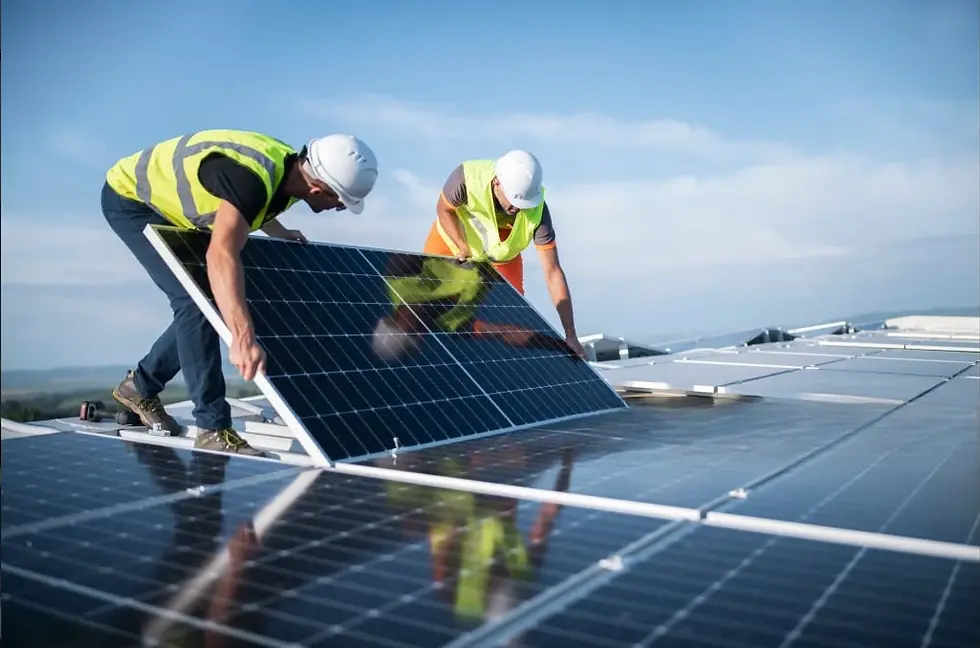
The United States is witnessing a solar boom. From the sun-drenched rooftops of California to the utility-scale farms in Texas, solar adoption is accelerating at a historic pace. However, when designing a photovoltaic (PV) system, most attention goes to the "glamour" components: high-efficiency panels and advanced inverters.
Often overlooked is the PV wire—the literal veins of the system.
Choosing the wrong cable can lead to voltage drop, efficiency loss, failed inspections, or even fire hazards. In this guide, we break down everything you need to know about PV wire, from NEC solar wire requirements to sizing and installation, ensuring your system runs at peak performance for decades.
What is PV Wire? (Photovoltaic Wire)
PV Wire (Photovoltaic Wire) is a single-conductor electrical wire specifically engineered to interconnect DC power in solar energy systems. Unlike standard building wire (like THHN), PV wire is designed to withstand the brutal environmental conditions found on rooftops and solar farms: extreme UV radiation, temperature fluctuations, and moisture.
Structurally, it typically features stranded copper conductors to allow for flexibility during installation, encased in thick XLPE (Cross-Linked Polyethylene) insulation.
The UL 4703 Standard
If you are installing solar in the US, the label UL 4703 is non-negotiable. This is the Underwriters Laboratories standard for Photovoltaic Wire. To earn this listing, the wire must pass rigorous testing for:
Sunlight Resistance: It must not degrade under direct UV exposure.
Temperature Extremes: Rated for operation in -40°C to +90°C (wet) or +105°C (dry).
Direct Burial: Many UL 4703 wires are rated for direct burial without conduit.
Voltage Ratings: 600V, 1000V, and 2000V
The voltage rating indicates the maximum voltage the insulation can handle.
600V: Older standard, rarely used in modern installs.
1000V: The current standard for residential rooftop systems.
2000V: Essential for commercial and utility-scale projects where long strings drive DC voltages higher to reduce current loss.

PV Wire vs. USE-2 Wire: What’s the Difference?
A common question among DIYers and new installers is: "Can I just use USE-2 wire?" While both are rated for outdoor use, they are not identical.
Insulation Thickness
PV Wire has a much thicker layer of insulation compared to USE-2 (Underground Service Entrance) wire. This extra thickness provides superior mechanical protection against physical damage, such as chafing against racking or being chewed by rodents.
Temperature and UV Resistance
While USE-2 is rated for 90°C, high-quality PV wire is often rated for 105°C in dry conditions. On a black roof in Arizona, ambient temperatures inside conduit can skyrocket. The superior thermal resistance of PV wire prevents insulation breakdown over time.
When to Use Which?
USE-2: Can only be used in grounded PV arrays (which are becoming rare). It is often less flexible and harder to route.
PV Wire: Required for ungrounded PV arrays (transformerless inverters), which constitute the vast majority of modern residential systems.
Feature | PV Wire | USE-2 Wire |
Insulation | Thick (XLPE) | Thin |
UV Resistance | Superior (720-hour test) | Standard (300-hour test) |
Usage | Ungrounded & Grounded Arrays | Grounded Arrays Only |
Flexibility | High (Stranded) | Moderate |
How to Choose the Right Size (AWG) for Your System
Proper wire sizing is critical. If the wire is too thin, resistance increases, converting your valuable solar energy into waste heat (Voltage Drop).
Understanding Amperage and Voltage Drop
The goal of solar wiring is to keep voltage drop under 2%.
Current (Amps): The more current your panels produce, the thicker the wire needs to be.
Distance: The longer the run from the array to the inverter, the more resistance the electricity encounters.
10 AWG vs. 12 AWG
12 AWG: Common for short jumper cables between panels or short runs on small residential systems. Rated for roughly 20-25 Amps (depending on temp).
10 AWG: The industry standard for "home runs" (the cable going from the roof to the inverter). It offers lower resistance and is safer for longer distances, ensuring you don't lose power before it hits your home.
Using a Solar Wire Sizing Calculator
To calculate the exact size, use the formula: Vd = (2 x L x I x R) / 1000.
However, a general rule of thumb for residential strings (under 20 Amps):
Under 50 feet: 12 AWG is usually sufficient.
Over 50 feet: Upgrade to 10 AWG to minimize loss.
NEC Requirements for Solar Wiring (US Market Focus)
Compliance with the National Electrical Code (NEC), specifically Article 690, is mandatory for passing inspection in the US.
Color Coding
While the NEC doesn't mandate specific colors for ungrounded conductors, industry best practice (and many local AHJs) requires:
Red: Positive (+) DC wire.
Black: Negative (-) DC wire.
Green/Bare: Equipment Grounding Conductor (EGC).
White: Grounded conductor (rare in modern ungrounded systems).
Conduit vs. Direct Burial
Exposed: PV wire is rated for outdoor exposure on the array itself.
Conduit: Once the wire enters the building (e.g., the attic), NEC usually requires it to be inside a metal raceway (conduit) for fire protection and physical safety.
Proper Grounding Techniques
All metallic racking and module frames must be bonded. The grounding wire (usually green or bare copper) must run continuously to the grounding electrode system to prevent shock hazards.
Connecting Your System: MC4 Connectors and PV Wire
The connection point is the most common point of failure.
How to Crimp PV Wire Correctly
Strip: Carefully strip the insulation without nicking the copper strands.
Insert: Place the bare wire into the metal terminal.
Crimp: Use a dedicated solar crimping tool. Do not use standard pliers; they do not create a gas-tight seal, leading to hot spots.
Ensuring Waterproof Connections
Once crimped, insert the terminal into the plastic housing until you hear a distinct "Click." Tighten the gland nut to ensure the internal rubber seal compresses around the wire insulation, achieving an IP67 or IP68 waterproof rating.
Conclusion
Your solar panels are only as good as the connections between them. By choosing UL 4703 certified PV wire, correctly calculating your wire sizing, and adhering to NEC solar wire requirements, you ensure your investment is safe, efficient, and code-compliant.
Don't let cheap cabling be the bottleneck of your energy independence.
Frequently Asked Questions (FAQs)
1. Can I use regular building wire (THHN) for solar panels?
No. Standard THHN wire is not designed to withstand the UV radiation and extreme weather conditions found on rooftops. The insulation will crack over time, leading to short circuits and fire hazards. Always use UL 4703 PV Wire for outdoor DC connections.
2. How long does PV wire last?
High-quality, UV-resistant PV wire is designed to match the lifespan of solar modules, typically lasting 25 to 30 years or more, provided it is installed correctly and not subjected to physical abrasion.
3. Does PV wire direction matter?
The wire itself is not directional (electricity flows both ways), but the connectors are. You must ensure you are connecting the Positive (Male) connector to the Negative (Female) connector to complete the circuit correctly. Always verify polarity with a multimeter before connecting to the inverter.


Comments