
Best Solar Cables for Vietnam's Hot and Humid Climate: A Buyer's Guide

Vietnam is an important market to watch for solar photovoltaic (PV) cable suppliers, driven by its solar power development, industrial electricity demand, and growing interest in rooftop solar installations. However, Vietnam's tropical and subtropical climate presents specific challenges for photovoltaic cable systems, including high temperatures, humidity, intense sunlight, heavy rainfall, and, in coastal areas, salt-laden air.
For solar project developers, EPC contractors, distributors, and importers, choosing the right solar cable is not simply a matter of selecting a conductor size or voltage rating. The cable must meet the electrical design requirements while providing appropriate resistance to ultraviolet (UV) radiation, heat, moisture, and other environmental stresses.
For many conventional rooftop and ground-mounted PV installations, TÜV-certified H1Z2Z2-K 1500V DC solar cable or an equivalent cable compliant with the applicable photovoltaic cable standard is a strong starting point for specification review. The final selection should be based on the project design, applicable regulations, environmental exposure, and verified product documentation.

1. How Vietnam's Climate Affects Solar Cable Selection
Vietnam has considerable regional climatic variation. Northern Vietnam experiences more pronounced seasonal temperature changes, southern Vietnam generally has a tropical climate, and coastal locations may expose electrical equipment to salt spray and corrosive conditions.
These differences matter because photovoltaic cables remain outdoors for extended periods and must maintain their electrical and mechanical properties throughout their service life.

High Temperatures and Heat Exposure
Solar modules, rooftops, mounting structures, and cable routing areas can become significantly hotter than the surrounding air under direct sunlight. Elevated temperatures affect conductor resistance, insulation aging, and the allowable current-carrying capacity of a cable installation.
When conductor temperature rises, electrical resistance increases. This can contribute to additional voltage drop and resistive heating if the cable is not appropriately sized.
For projects in Vietnam, engineers should evaluate:
Maximum expected ambient and cable surface temperatures.
The cable's rated continuous conductor temperature.
Current-carrying capacity under the actual installation conditions.
Temperature correction and grouping factors.
Cable routing near hot module surfaces, rooftops, and electrical equipment.
A cable with a specified continuous conductor temperature of 90°C may be suitable for many PV applications, but that rating does not mean the cable can carry its maximum published current under every ambient condition.

Strong UV Radiation and Outdoor Exposure
Solar cables are frequently installed beneath or alongside photovoltaic modules, across mounting structures, and between module strings and electrical equipment. Depending on the installation, portions of the cable may receive prolonged direct sunlight.
UV exposure can gradually degrade unsuitable polymer insulation and sheathing, potentially causing discoloration, cracking, or loss of mechanical properties.
For outdoor PV installations, buyers should verify that the cable is specifically designed for photovoltaic use and has documented UV and weathering resistance.
H1Z2Z2-K cables manufactured to EN 50618 commonly use cross-linked insulation and sheathing compounds designed for demanding outdoor conditions. Nevertheless, the actual product's compliance documents and test results should be checked rather than assuming every cable marketed as a solar cable has equivalent performance.
High Humidity and Heavy Rainfall
High humidity, frequent rainfall, and condensation can increase the risk of moisture-related deterioration, particularly where cable insulation is damaged or connectors and terminations are improperly installed.
Humidity resistance should therefore be considered alongside the integrity of the complete electrical system.
For Vietnam projects, buyers should review:
Insulation and sheath material specifications.
Water-resistance test documentation where required.
Connector and termination compatibility.
Cable routing and drainage arrangements.
Protection against mechanical damage and standing water.
A moisture-resistant cable cannot compensate for poorly sealed connectors, damaged insulation, or improper installation.
Coastal Salt and Corrosive Conditions
Coastal solar installations can experience salt deposition, which may accelerate corrosion of exposed metal components. This is particularly relevant to connectors, terminals, fasteners, cable supports, and other electrical accessories.
For coastal projects, the complete cable system should be evaluated for compatibility with the operating environment. Suitable corrosion-resistant accessories, appropriate installation practices, and regular inspections may be necessary.
It is important to distinguish between cable resistance to salt or weather exposure and the corrosion resistance of the entire PV connection system. These are related but separate requirements.
2. Which Solar Cable Is Best for Vietnam?
For conventional PV module interconnections and DC string wiring, H1Z2Z2-K solar cable is a practical option to evaluate. It is designed for photovoltaic applications and is commonly manufactured to EN 50618, with corresponding IEC 62930 products also available.
The appropriate product depends on the system voltage, installation method, environmental conditions, and required certifications.
Project requirement | Recommended selection criteria |
Standard rooftop PV | Certified PV cable with documented UV and weather resistance |
Utility-scale solar farm | PV cable rated for the system voltage and installation environment |
Hot operating conditions | Suitable temperature rating and verified ampacity under design conditions |
High-moisture environments | Appropriate insulation, water-resistance evidence, and compatible connectors |
Coastal installations | Weather-resistant cable system with suitable corrosion-resistant accessories |
Floating solar | Cable specifically verified for the required water exposure, movement, and environmental conditions |
H1Z2Z2-K Solar Cable
H1Z2Z2-K is a photovoltaic cable designation associated with EN 50618. Typical products feature a flexible, tinned copper conductor and cross-linked insulation and sheathing compounds.
Depending on the manufacturer's specification, relevant characteristics may include:
A nominal voltage rating of 1.5 kV DC.
UV and ozone resistance.
Suitability for outdoor photovoltaic installations.
Halogen-free insulation and sheathing.
Resistance to specified environmental and mechanical stresses.
A rated continuous conductor temperature commonly reaching 90°C.
These characteristics must be confirmed against the individual product's datasheet and certification.
IEC 62930 Photovoltaic Cable
IEC 62930 specifies requirements for electric cables used in photovoltaic systems. Products compliant with this standard can also be suitable candidates for Vietnamese PV projects when their voltage ratings, construction, and certification meet the project requirements.
When comparing EN 50618 and IEC 62930 products, buyers should check the actual declarations and test reports. A supplier's claim that a cable meets both standards should be supported by appropriate documentation.
Neither designation automatically establishes suitability for every installation, particularly where unusual water exposure, mechanical movement, or other special conditions apply.
3. Should You Choose 4 mm² or 6 mm² Solar Cable?
Both 4 mm² and 6 mm² copper solar cables are commonly used in photovoltaic systems. However, the correct size should be determined by electrical calculations rather than by climate or project type alone.
A larger conductor generally has lower resistance per unit length, which can reduce voltage drop and resistive losses. It may also provide greater current-carrying capability under comparable installation conditions.
The final choice depends on the electrical design.
When 4 mm² Solar Cable May Be Suitable
A 4 mm² cable may be appropriate for certain short PV string connections when the calculated current, installation temperature, cable routing, voltage drop, and applicable requirements permit its use.
It should not automatically be treated as the default size for every rooftop or utility-scale project.
When 6 mm² Solar Cable May Be Preferable
A 6 mm² cable may be beneficial where longer cable runs, higher design currents, voltage-drop limits, or installation conditions justify the larger conductor.
However, a larger cross-sectional area does not eliminate the need to check connector compatibility, installation requirements, and allowable current.
What Engineers Should Calculate
Before finalizing cable size, the project designer should consider:
Maximum design current for the relevant circuit.
One-way cable length and total circuit path.
Permissible voltage drop and power loss.
Ambient temperature and conductor temperature limits.
Installation method, grouping, and applicable correction factors.
Short-circuit requirements and applicable electrical standards.
The selected conductor must satisfy both the electrical design and the manufacturer's installation requirements. The same 4 mm² or 6 mm² cable may have different allowable current ratings under different installation conditions.
4. Why UV-Resistant and Heat-Resistant Insulation Matters
In Vietnam's outdoor PV installations, conductor material is only one part of cable performance. The insulation and outer sheath protect the conductor from environmental exposure and mechanical damage.
Cross-linked polyolefin compounds are commonly used in photovoltaic cables because appropriately formulated compounds can provide a combination of thermal stability, weather resistance, and mechanical durability.
When reviewing a solar cable datasheet, buyers should distinguish between the following properties:
UV resistance: Indicates resistance to degradation caused by ultraviolet exposure under specified test conditions.
Temperature rating: Defines the permitted operating conditions for the cable under the relevant specification. It must not be confused with a guaranteed ambient temperature or an unrestricted ampacity rating.
Ozone and weathering resistance: Relevant to outdoor environments where cable materials experience environmental exposure over time.
Water resistance: Must be evaluated against the specific test requirements and exposure conditions of the installation.
Mechanical performance: Includes characteristics such as flexibility, abrasion resistance, and suitability for the intended routing and installation method.
These properties should be verified through product specifications and applicable test documentation. Marketing descriptions such as “heavy-duty,” “premium,” or “tropical-grade” are not substitutes for measurable performance requirements.
5. Are Special Solar Cables Needed for Coastal and Floating Solar Projects?
Not every solar installation in Vietnam requires a specialized cable. However, coastal and floating PV projects may impose additional environmental and mechanical demands.
Coastal Solar Projects
For coastal installations, cable selection should account for UV exposure, humidity, water exposure, and the potential for salt contamination.
The cable itself should meet the relevant PV cable requirements. Connectors, terminals, fasteners, cable trays, and supports should also be selected for the corrosive environment.
Project designers should avoid assuming that a cable described as salt-resistant makes every associated electrical connection suitable for marine or coastal conditions.
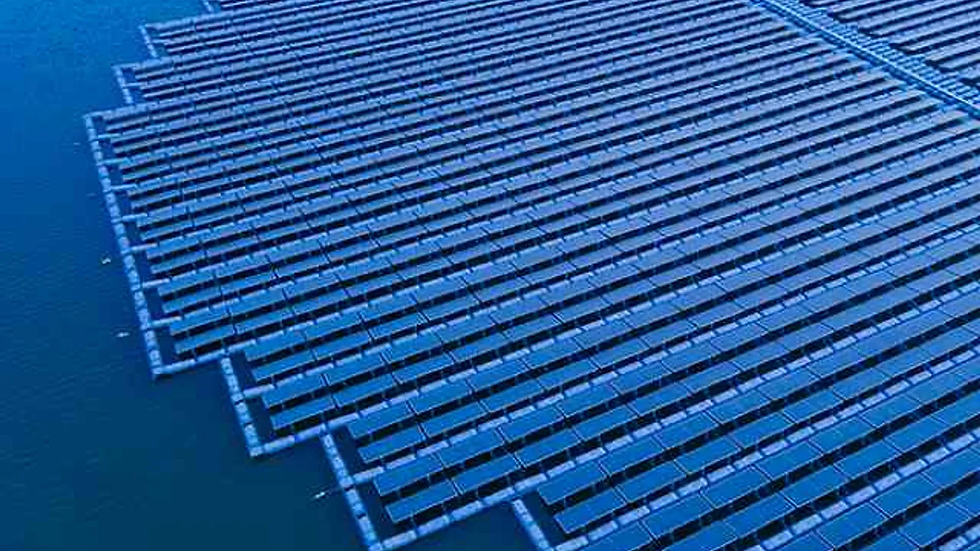
Floating Solar Projects
Floating solar installations introduce additional considerations, including water exposure, platform movement, mechanical stress, and potentially more demanding maintenance conditions.
Where cables may remain submerged, the project specification should explicitly identify the required water-exposure classification and test evidence. For example, an AD8 designation relates to specified conditions of continuous immersion; it should be verified against the applicable product standard and intended installation.
A standard outdoor PV cable should not be assumed suitable for permanent immersion simply because it is UV-resistant or compliant with EN 50618.
Floating solar projects may require cables specifically designed and qualified for the combination of electrical, mechanical, and water-exposure conditions involved.
6. What Should Vietnamese Solar Cable Buyers Check Before Importing?
For Vietnamese importers, distributors, EPC contractors, and procurement teams, verifying the product before placing a bulk order can reduce technical and commercial risks.
Certification and Documentation
Request the relevant product datasheet, certificate, and test documentation. Verify that the document covers the actual manufacturer, product designation, conductor sizes, and applicable standard.
A certificate for one product range should not automatically be assumed to cover every size or construction offered by the same supplier.
Conductor and Insulation Specifications
Confirm the conductor material, nominal cross-sectional area, maximum conductor resistance, insulation construction, and rated voltage.
For a project requiring a tinned copper conductor, verify that the product documentation explicitly identifies that construction.
Production Quality and Traceability
For repeat orders, evaluate production consistency, inspection procedures, batch identification, and the supplier's ability to provide supporting quality records.
Buyers sourcing large volumes should also review packaging, reel lengths, delivery arrangements, and the handling requirements for the cable during storage and transportation.
Installation and Connector Compatibility
Cable dimensions, conductor stranding, insulation thickness, and outer diameter can affect compatibility with connectors and installation accessories.
Verify the manufacturer's compatibility requirements before combining cables and connectors from different suppliers. Matching nominal voltage ratings or similar product names is not sufficient evidence of compatibility.
7. Why Work with an Experienced Solar Cable Manufacturer?
An experienced photovoltaic cable manufacturer can help buyers match cable specifications to project requirements and provide the technical documents needed for procurement review.
FRCABLE, a China-based solar cable manufacturer established in 2007, supplies photovoltaic cable products including H1Z2Z2-K solar cables manufactured to relevant PV cable standards.
For Vietnamese projects, buyers can evaluate products based on voltage rating, conductor size, insulation and sheath properties, environmental resistance, and required certification. Product selection should be confirmed against the applicable project specifications and available documentation.
For EPC contractors, distributors, and importers, a reliable supply arrangement should include consistent product specifications, traceable quality documentation, appropriate packaging, and clear communication about order quantities and delivery schedules.
Conclusion
Selecting the right solar cable for Vietnam requires a combination of environmental assessment, electrical calculations, and product verification.
For conventional rooftop and ground-mounted PV projects, certified H1Z2Z2-K 1500V DC solar cable is a strong starting point for evaluation because it is designed for photovoltaic applications and commonly offers relevant outdoor performance characteristics.
However, the final choice should account for temperature, UV exposure, moisture, cable length, current demand, installation method, and local project requirements. Coastal and floating PV installations may require additional corrosion or water-exposure considerations.
By evaluating the complete cable specification rather than relying on a single product label, Vietnamese solar project buyers can make more informed purchasing decisions and improve the reliability of their photovoltaic installations.
Frequently Asked Questions
What is the best solar cable for Vietnam's climate?
For many conventional rooftop and ground-mounted PV systems, H1Z2Z2-K solar cable manufactured to EN 50618 is a suitable option to evaluate. The final selection depends on voltage, current, installation conditions, environmental exposure, and project requirements.
Is 1500V DC solar cable suitable for Vietnam?
A 1500V DC photovoltaic cable can be suitable for PV systems designed for that voltage class, provided the cable's ratings, certification, and installation conditions match the project requirements. The system design must determine the required voltage rating.
Is 4 mm² or 6 mm² solar cable better for Vietnam?
Neither size is universally better. The appropriate conductor size depends on current, cable length, voltage drop, temperature, installation method, and applicable electrical requirements.
Does Vietnam's high humidity require a special solar cable?
Not necessarily. Many certified PV cables are designed for outdoor use and resistance to specified environmental stresses. Buyers should verify the cable's moisture-related performance and ensure that connectors, terminations, and installation methods are suitable for the actual environment.
Can H1Z2Z2-K solar cable be used in floating solar projects?
Only when the specific product and installation meet the required water-exposure and mechanical conditions. Permanent immersion requires explicit verification of the relevant water-resistance classification and supporting documentation.


Comments